Harrowgate Quarry Station, Tasman Peninsula
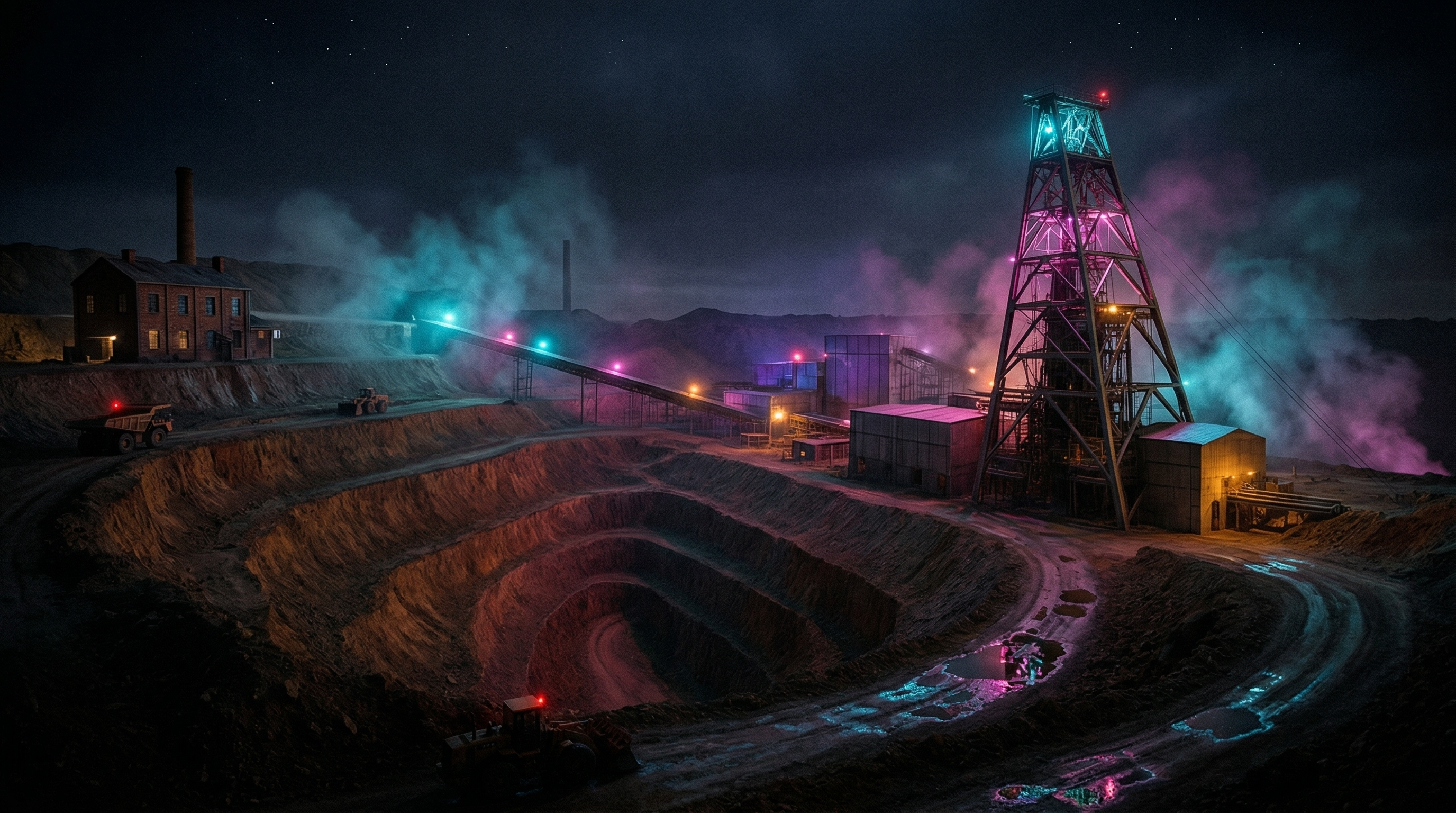
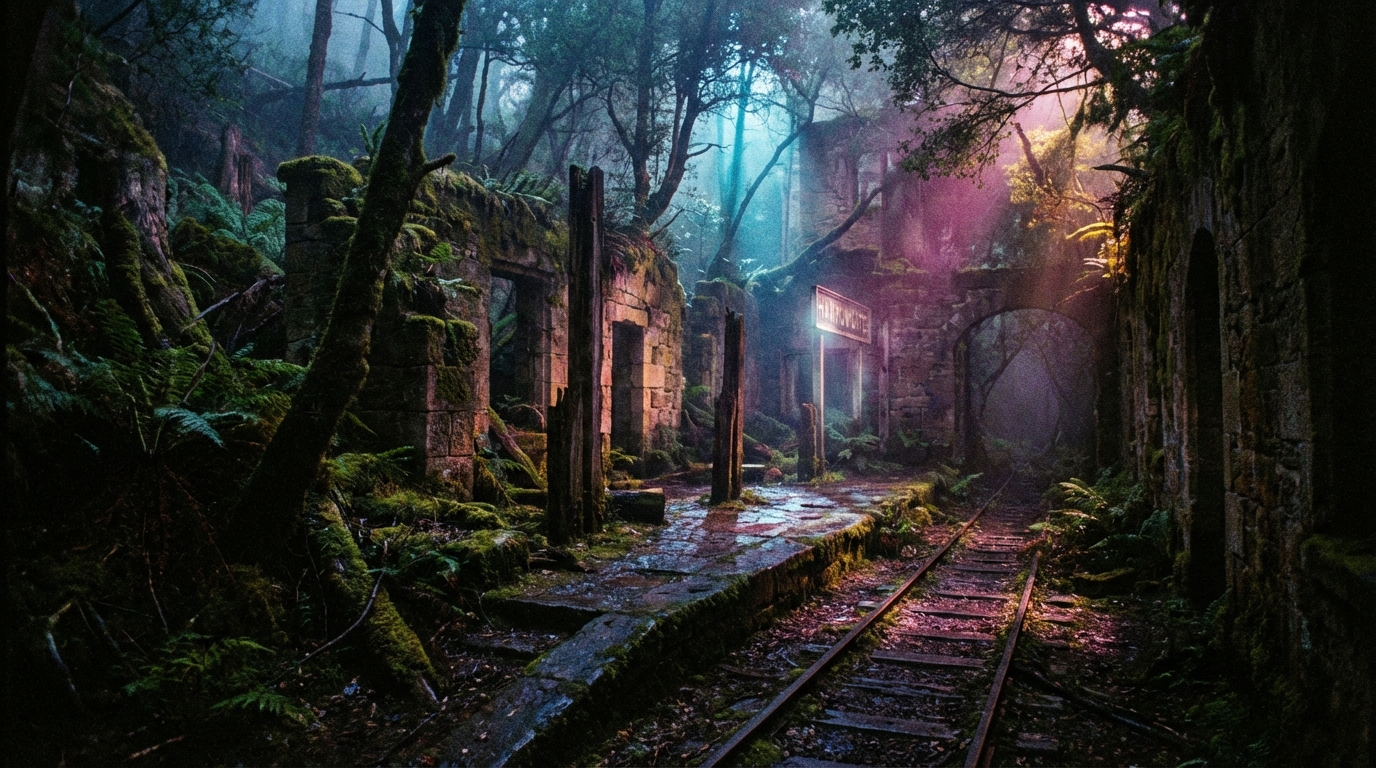
Harrowgate Quarry Station operated from 1838 to 1849 as a satellite sandstone extraction site supplying dressed stone to the Port Arthur penal settlement during its period of major construction. Established in a natural depression along Harrowgate Creek approximately four kilometres inland from Fortescue Bay, the station comprised a small quarry face, a dressing yard, a sandstone stores building, an overseer's quarters, and rudimentary convict shelters accommodating a rotating workforce of twelve to twenty men. The station's output — an estimated 3,200 cubic metres of dressed ashlar over eleven years — contributed to the construction of Port Arthur's hospital (1842), elements of the Separate Prison (1848–54), and various infrastructure works across the peninsula. Abandoned following the contraction of the convict system in the late 1840s, the site was never subject to private purchase or agricultural conversion due to its inaccessible position in dense myrtle forest at the base of a steep-sided gully. The stores building remains substantially intact — roofless but with walls standing to near-original height — while the remaining structures have been reduced to foundations and scattered stone by a century and a half of forest encroachment. The site does not appear on Heritage Tasmania's register, has not been subject to formal archaeological survey, and is known only to a small number of historians and bushwalkers who have located it through archival research and local knowledge.







