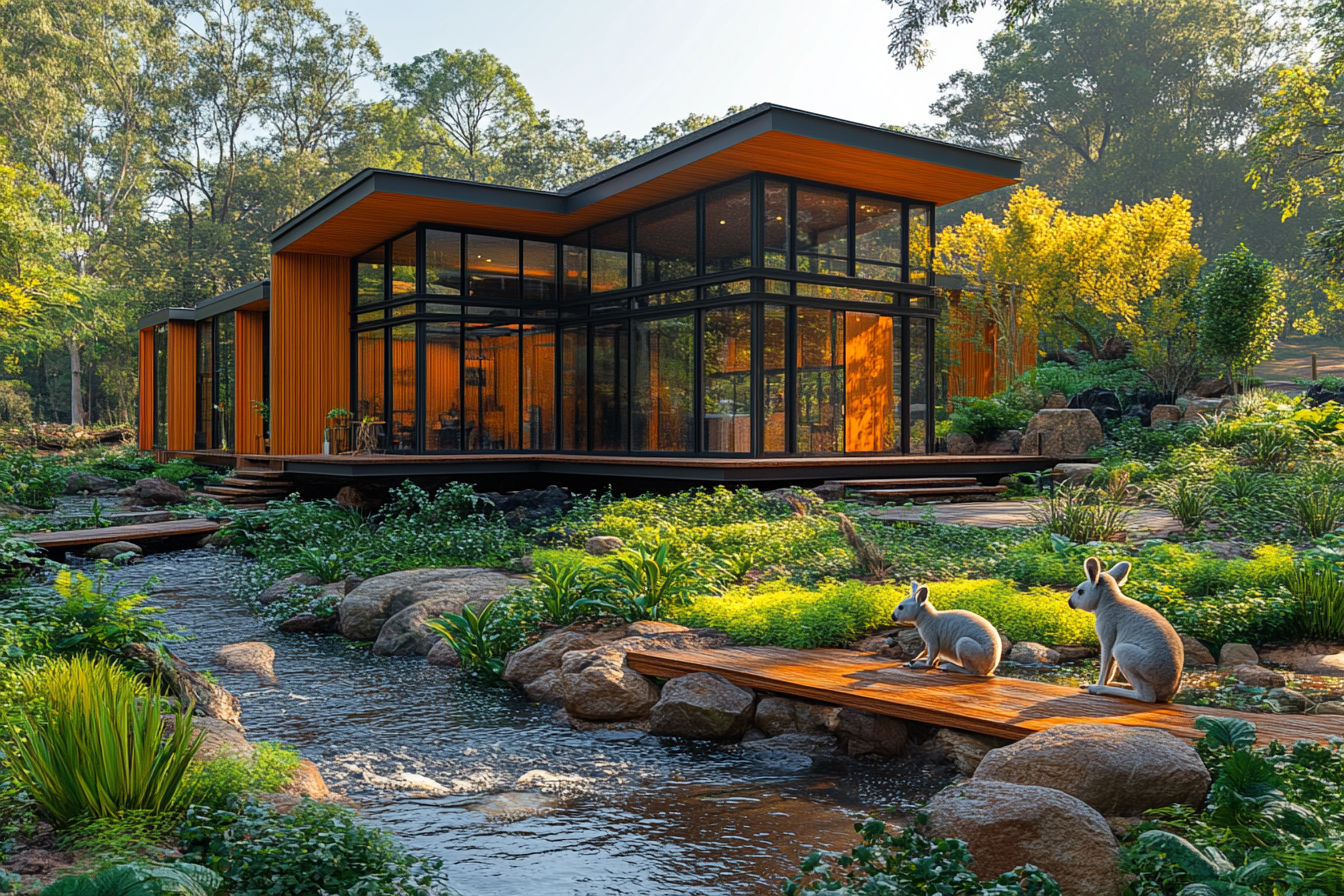
Adelaide Hills Wildlife Haven, South Australia
The Adelaide Hills Wildlife Haven, established in 1994 on the former Ashcroft family estate near Kersbrook, is a not-for-profit wildlife rescue and rehabilitation centre serving South Australia's injured and orphaned native fauna. Founded by wildlife biologist Dr. Margaret Ashcroft, the sanctuary combines state-of-the-art veterinary facilities with naturalistic recovery enclosures, treating over eight hundred animals annually whilst delivering community education programmes that have inspired a generation of conservation volunteers, including University of Adelaide zoology student Jerome Smith.
Founding and Vision
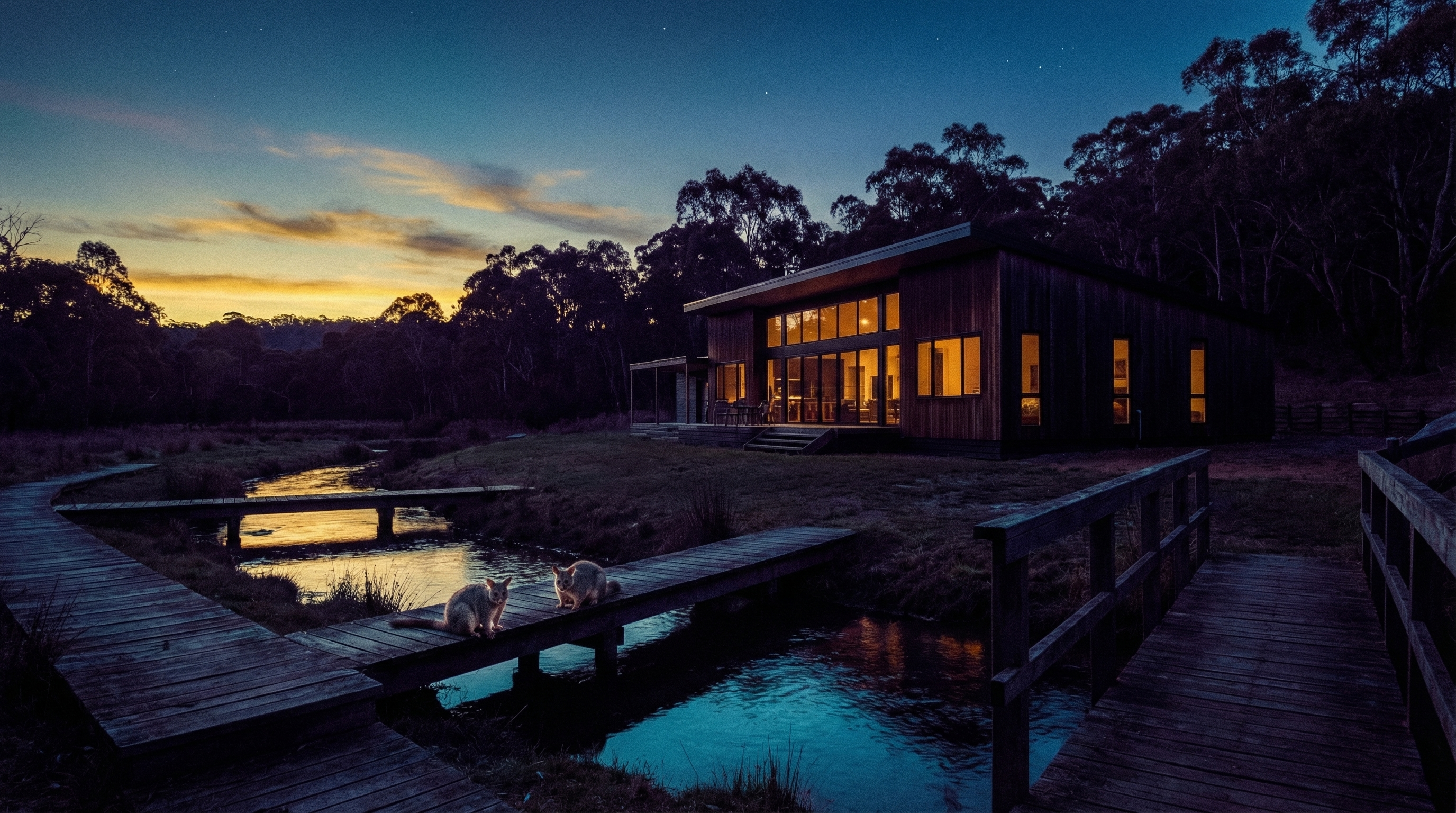
The Adelaide Hills Wildlife Haven owes its existence to a single moment of helplessness. In 1992, Dr. Margaret Ashcroft — then a senior wildlife biologist with the South Australian Department for Environment — discovered a juvenile brushtail possum on the roadside near her family's property in Kersbrook. The animal had been struck by a vehicle, its mother dead beside it, and the nearest wildlife rescue facility was over an hour's drive away in the southern suburbs. By the time Margaret reached it, the possum had died from shock and internal injuries.
That preventable death catalysed what would become Margaret's life work. The Adelaide Hills, despite their proximity to Adelaide and their abundant wildlife, had no dedicated rescue facility. Injured animals faced long transport times to distant centres or, more commonly, were left to suffer because well-meaning members of the public had nowhere to take them. Margaret recognised that effective wildlife rescue required local presence — facilities close enough that critical cases could reach help whilst help could still matter.
The Ashcroft family had owned their Kersbrook property since 1947, when Margaret's grandparents purchased the land for sheep grazing. By the early 1990s, the property had long since transitioned from active farming to quiet semi-rural living, its paddocks gradually reverting to native vegetation. Margaret's parents, both approaching retirement, agreed to donate a substantial portion of the land for conservation purposes, establishing the trust structure that would allow the Haven to operate as a registered not-for-profit organisation.
Construction began in 1993, with Margaret investing her own savings and securing modest grants from conservation foundations. The original facilities were humble — a converted shed serving as a treatment room, a handful of timber enclosures, and Margaret herself providing most of the labour between her regular employment hours. The Adelaide Hills Wildlife Haven officially opened on 15 March 1994, treating its first patient — a wedge-tailed eagle with a fractured wing — that same afternoon.
Location and Setting
The Haven occupies approximately twelve hectares of mixed bushland and cleared paddocks on Tenafeate Creek Road, roughly three kilometres east of Kersbrook township. The property sits at an elevation of approximately 380 metres, positioned where the Mount Lofty Ranges begin their climb toward the higher ridgelines to the south and east. This transitional zone, where open farmland gives way to stringybark forest, provides habitat diversity that has proven invaluable for the facility's rehabilitation work.
The landscape carries the particular character of the western Adelaide Hills — less manicured than the tourism-focused villages further south, more working rural than scenic destination. Neighbouring properties run cattle or maintain hobby farms. The roads are narrow and winding, prone to wildlife strikes particularly at dawn and dusk when kangaroos and wallabies move between grazing areas. This proximity to the problem the Haven addresses serves as both constant reminder and practical advantage; many of the animals treated each year come from within a ten-kilometre radius.
Tenafeate Creek runs along the property's northern boundary, providing a riparian corridor that supports populations of platypus, rakali, and various waterbirds. The creek's health has improved markedly since the Haven began revegetation work along its banks in the early 2000s, demonstrating the facility's broader ecological impact beyond direct animal rescue.
The Para Wirra Conservation Park lies approximately fifteen kilometres to the northwest, its seven thousand hectares of protected bushland serving as a primary release site for rehabilitated animals. The Haven maintains a collaborative relationship with the park's management, coordinating release locations and contributing data on animal movements and survival rates that inform broader conservation planning.
Facilities and Infrastructure
The Haven's facilities have evolved substantially since those first converted sheds. The current infrastructure, much of it constructed during a major expansion in 2008-2010 funded by a combination of grants, corporate sponsorship, and a successful community fundraising campaign, represents best practice in wildlife rehabilitation design.
The main treatment centre occupies a purpose-built structure near the property entrance, housing a fully equipped veterinary surgery, radiology suite, and intensive care unit. The surgery includes anaesthesia equipment suitable for species ranging from microbats to large kangaroos, surgical lighting and tables, and sterilisation facilities meeting veterinary hospital standards. A dedicated radiology room allows rapid assessment of fractures, projectile injuries, and internal trauma — essential for determining treatment viability and avoiding unnecessary suffering.
The intensive care unit maintains individual enclosures with climate control, allowing precise temperature management for animals in shock or recovering from surgery. Heat lamps, humidity controls, and oxygen supplementation equipment address the varying needs of species from desert-adapted reptiles to moisture-dependent amphibians. A separate isolation area prevents disease transmission, particularly important during outbreaks of psittacine beak and feather disease or other communicable conditions.
Beyond the treatment centre, the property is organised into distinct rehabilitation zones. The small mammal area houses a network of timber enclosures designed for possums, gliders, bandicoots, and other species requiring enclosed recovery spaces. These structures feature natural branch arrangements, nest boxes at various heights, and feeding stations that encourage natural foraging behaviours. The enclosures connect through a system of tunnels and bridges, allowing animals to develop navigation skills and social structures before release.
The macropod paddocks occupy the property's eastern section, providing graduated enclosure sizes for kangaroos and wallabies at different rehabilitation stages. Joeys too young for release live in climate-controlled pouches, receiving four-hourly bottle feeds from trained volunteers. As they mature, they progress through increasingly large enclosures, developing the strength and wariness necessary for survival in the wild. The final pre-release paddock covers nearly a hectare, allowing animals to experience something approaching natural ranging behaviour whilst remaining under observation.
The raptor recovery complex, constructed in 2015 following a bequest from a long-time supporter, represents one of the Haven's most specialised facilities. Flight aviaries up to forty metres in length allow eagles, hawks, and owls to rebuild muscle strength and flight precision after wing injuries. Perching structures at various heights, live prey introduction (under careful protocols), and minimal human contact during the final rehabilitation stages prepare birds for the demands of hunting and territorial defence.
A dedicated reptile house maintains appropriate thermal gradients for cold-blooded patients, from blue-tongue lizards to the occasional injured snake. The building includes quarantine facilities for reptiles displaying potential signs of illness, and outdoor enclosures where recovering animals can bask and thermoregulate naturally during warmer months.
Staff and Volunteers
Dr. Margaret Ashcroft remains the Haven's director, though now in her late sixties she has progressively delegated operational responsibilities to allow focus on strategic planning and community relationships. Her vision continues to shape the organisation's priorities, her decades of experience informing decisions about facility development, species priorities, and the balance between rescue work and educational mission.
The veterinary team comprises Dr. Sarah Groves, a wildlife specialist who joined the Haven in 2012 after completing postgraduate training in zoological medicine, and Dr. Marcus Webb, a semi-retired veterinarian who provides sessional support several days each week. Both bring complementary expertise — Groves' focus on surgical intervention and complex cases balanced by Webb's forty years of practical experience with native species. During peak periods, typically spring and early summer when juvenile animals flood the system, locum veterinarians supplement the core team.
Emily Ashcroft, Margaret's daughter, manages the Haven's education and community engagement programmes. Now in her early forties, Emily trained as a secondary teacher before returning to the family enterprise in 2005. Her particular talent lies in translating complex ecological concepts into accessible presentations, whether addressing primary school groups or adult community organisations. The workshops she has developed — covering topics from backyard habitat creation to wildlife-friendly driving — have reached thousands of participants and generated a steady stream of new volunteers.
The wildlife care team includes four paid staff members who provide consistent daily coverage, supplemented by a rotating roster of approximately sixty active volunteers. These volunteers undertake everything from enclosure cleaning and food preparation to animal monitoring and public interaction during open days. Training requirements are substantial — new volunteers complete a minimum forty hours of supervised work before handling animals independently — ensuring consistent care standards whilst building genuine expertise.
University students, particularly those studying veterinary science, zoology, and environmental management, form a significant volunteer cohort. The Haven's relationship with the University of Adelaide has proven particularly fruitful, with students gaining practical experience that complements their academic studies whilst contributing meaningful labour to the facility's operations. Several former student volunteers have progressed to paid positions within the organisation or pursued careers in wildlife conservation directly informed by their Haven experience.
Daily Operations
A typical day at the Haven begins before dawn, when the overnight volunteer completes final checks on critical cases and prepares handover notes for the morning team. The animal care coordinator — currently a position held by long-serving staff member Dennis Faulkner — arrives by six-thirty to review overnight observations, assess new admissions, and allocate the day's tasks among staff and volunteers.
Morning feeding rounds commence at seven, with routines tailored to each species' natural activity patterns. Nocturnal animals receive their main meals as darkness falls; diurnal species are fed at first light. Joeys on bottle-feeding schedules require attention at four-hour intervals around the clock, a demanding commitment that draws heavily on volunteer dedication. Food preparation — chopping vegetables, weighing portions, preparing specialised formulas — occupies substantial volunteer hours each day.
The veterinary team conducts morning assessments of hospitalised animals, adjusting treatment plans and making decisions about surgical intervention or humane euthanasia when recovery is not possible. These consultations involve careful consideration of each animal's welfare, the realistic prospects for successful release, and the ethical implications of prolonged treatment for creatures ill-suited to captivity. Not every animal can be saved; the Haven's approach prioritises quality of life over mere survival.
Public enquiries arrive throughout the day — phone calls from people who have found injured animals, requests for advice about wildlife encountered in gardens or on roads, occasional emergency calls requiring immediate response. The Haven operates a dedicated rescue vehicle, a modified four-wheel drive equipped with transport cages, capture equipment, and basic first aid supplies. Staff and trained volunteers undertake callouts within approximately a fifty-kilometre radius, bringing injured animals to the facility for assessment.
Enclosure maintenance, grounds upkeep, and facility cleaning consume significant daily effort. The work is unglamorous but essential — animal welfare depends on hygiene, and the Haven's reputation rests on presenting facilities that inspire public confidence. Volunteers willing to undertake these tasks, understanding their importance despite their lack of direct animal contact, form the backbone of operations.
Educational programmes typically occur on weekends and during school holidays, when Emily Ashcroft and trained volunteer presenters welcome groups to the facility. These sessions combine information about the Haven's work with broader messages about conservation, habitat protection, and coexistence with wildlife. A small gift shop near the entrance provides revenue supplementing donations and grants, whilst reinforcing educational themes through carefully selected merchandise.
Conservation Impact
The Haven treats approximately eight hundred animals annually, with species composition varying seasonally and in response to environmental conditions. Drought years bring increased presentations of malnourished kangaroos and dehydrated birds; wet seasons see more vehicle strikes as animals move across rain-slicked roads; extreme heat events produce waves of heat-stressed bats and birds. The facility maintains detailed records of all admissions, contributing data to broader wildlife health monitoring programmes.
Release rates vary substantially by species and injury type. Soft tissue injuries in otherwise healthy animals typically yield release rates above seventy percent; fractures and neurological damage produce more variable outcomes. The Haven's approach emphasises realistic assessment over optimistic persistence — animals unlikely to survive in the wild receive appropriate palliative care rather than prolonged rehabilitation that would constitute poor welfare.
For animals that cannot be released — those with permanent disabilities incompatible with wild survival but not causing ongoing suffering — the Haven maintains a small ambassador population. These individuals participate in educational programmes, allowing close observation that would be impossible with wild counterparts, whilst living out their lives in conditions designed to maximise welfare within captive constraints.
The facility's broader conservation contribution extends beyond individual animal rescue. Habitat restoration work on the property and surrounding areas has created corridors connecting fragmented bushland patches. Nest box programmes supplement natural hollows in areas where old-growth trees are scarce. Research partnerships with universities generate knowledge about wildlife disease, population dynamics, and rehabilitation best practices that inform conservation efforts across the region.
Community Relationships
The Adelaide Hills Wildlife Haven has become deeply embedded in its local community over three decades of operation. The annual Adelaide Hills Wildlife Festival, held each October, draws several thousand visitors for a day of educational activities, wildlife displays, and celebration of the region's natural heritage. Local businesses sponsor the event; community groups operate food stalls; the local council provides logistical support. The festival has become a fixture of the Hills calendar, its success reflecting the Haven's position as a valued community institution.
Beyond the festival, the Haven maintains ongoing relationships with schools, community groups, and local government. Staff and volunteers present at community events, participate in emergency planning discussions, and contribute expertise to development assessment processes where wildlife impacts are relevant. This community integration serves both practical and philosophical purposes — practical in generating the volunteer base and financial support essential for operations, philosophical in building the broader constituency for conservation that meaningful environmental protection requires.
The facility's relationship with the farming community, initially cautious given historical tensions between agricultural and conservation interests, has evolved into productive collaboration. The Haven provides advice on wildlife-friendly fencing, assists with relocation of problem animals where possible, and offers a constructive alternative to the lethal control measures that farmers might otherwise employ. This bridge-building, often requiring patient diplomacy, represents one of Margaret Ashcroft's most significant achievements.
Challenges and Future Directions
Like all wildlife rescue organisations, the Haven operates under constant financial pressure. Not-for-profit status means dependence on donations, grants, and volunteer labour — income streams that fluctuate with economic conditions and compete with countless other worthy causes. The facility's reserves provide limited buffer against unexpected costs; a single complex surgical case can consume months of donation income.
Climate change presents escalating challenges. Extreme weather events are increasing in frequency and intensity, producing casualty surges that strain capacity. The 2020 bushfires, whilst not directly impacting the Haven's property, brought unprecedented demand as animals fled burned areas or suffered smoke inhalation and burns. The facility implemented emergency protocols, establishing temporary housing and coordinating with other rescue organisations, but the experience highlighted the vulnerability of current infrastructure to large-scale emergencies.
Looking forward, the Haven's strategic planning focuses on building resilience — financial reserves, facility redundancy, trained volunteer capacity — whilst expanding educational reach to address root causes of wildlife decline. Margaret Ashcroft's eventual retirement, though not imminent, prompts succession planning that will test whether her vision can survive transition to new leadership. The organisation she built from that single roadside possum death has become something larger than any individual, but its future depends on finding people who share her combination of scientific rigour, practical dedication, and unwavering commitment to the creatures who cannot speak for themselves.







