Sarah Jane Greyson
Sarah Jane Greyson lived eight years marked by fragile health and constant relocation, her respiratory issues catalysing her family's 1989 move from Tasmania to South Australia's warmer climate. A quiet, perceptive child who found solace in books, drawing, and animals, she struggled with the family's 1992 relocation to Queensland, becoming increasingly withdrawn in the years before her death in March 1995—a loss that would fracture the Greyson family in ways none of them could anticipate.
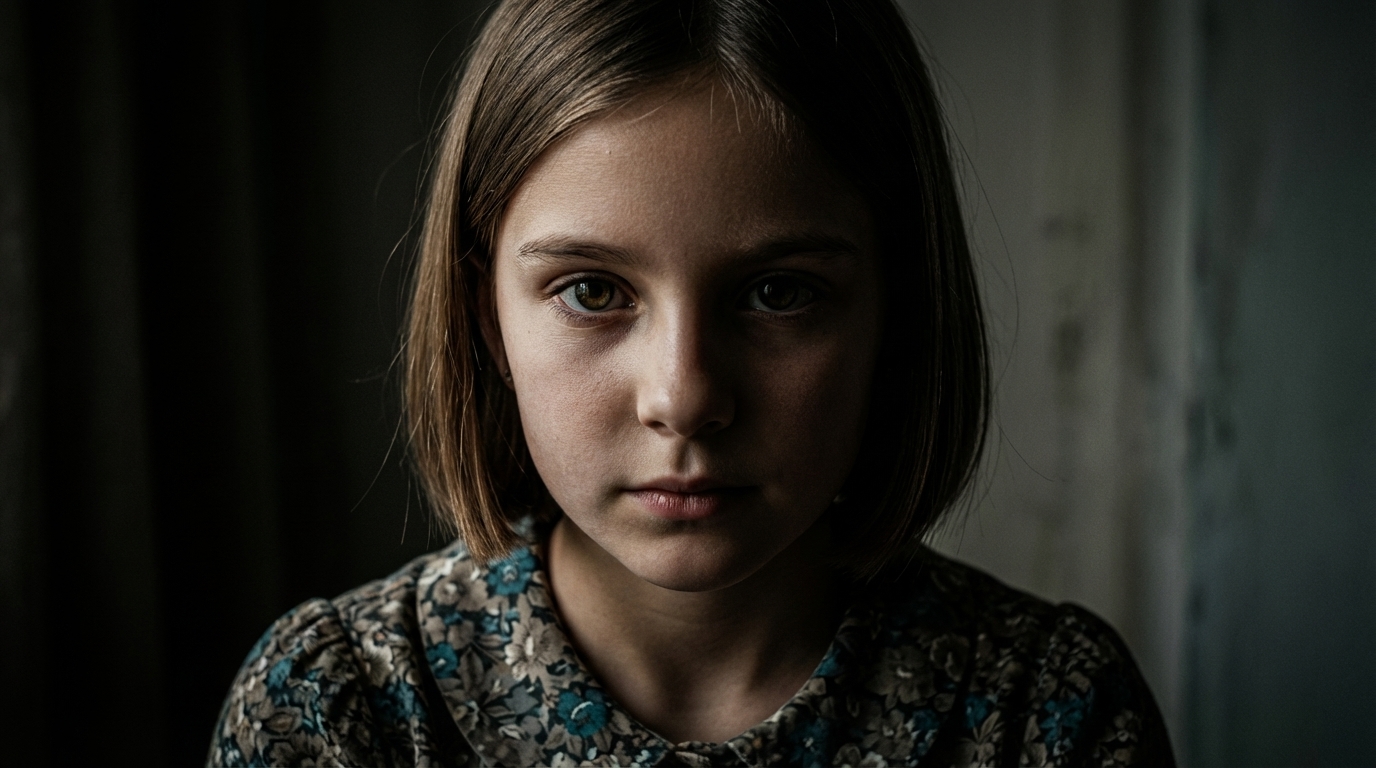
A Fragile Beginning
Sarah Jane Greyson was born on 5 May 1986 at Royal Hobart Hospital, the third and youngest child of Peter and Nola Greyson. From the start, she was physically delicate, suffering from recurring respiratory issues that led to frequent visits to the doctor and long stretches confined indoors. Hobart's cold, damp climate seemed to exacerbate her condition, her small lungs struggling against the Tasmanian winter in ways that terrified her parents and transformed the household's rhythms around her medical needs.
Her earliest years in the family's Granton home were marked by this fragility. Unlike her older siblings—Louise, fifteen years her senior and already deep into her secondary education at St. Mary's College, and Jamie, two and a half years older and energetic in ways Sarah's health would never allow—Sarah learned early that her body imposed limitations others didn't face. She was introspective by necessity and perhaps by nature, sensing tensions in the household that others ignored or simply accepted.
Her mother, Nola, was both protective and strict, managing Sarah's health with meticulous care whilst maintaining her firm, practical approach to parenting. Every cough was monitored, every wheeze assessed, every temperature taken with the kind of vigilance that came from genuine fear of losing this fragile child. Peter, though never unkind, remained emotionally distant, his love expressed more in provision—paying for specialists, covering mounting medical bills, working longer hours to afford the care Sarah required—than in words or gestures of affection.
Louise, fifteen when Sarah was born, occupied a complicated space in Sarah's early life. She genuinely cared for her baby sister, helping with feeding and nappy changes, reading stories before bed during Sarah's first two years. But Louise was also navigating her final years of secondary school, preparing for university, living a life increasingly separate from the daily realities of infant care. When Louise remained in Tasmania to complete Year 12 whilst the rest of the family relocated to South Australia in early 1989, two-year-old Sarah was too young to understand why her big sister suddenly existed only in phone calls and occasional visits.
Jamie, closer in age but distant in temperament, was a mystery to Sarah as she grew. Sometimes he was a playmate, showing her his toys or letting her watch him play; other times he was a figure lost in his own world, processing the upheaval of moving to a new state at age five, starting school in an unfamiliar place, missing the Tasmania he barely remembered but that Louise's stories made sound magical.
The South Australian Years
The move to Elizabeth, South Australia in early 1989 was explicitly about Sarah's health. Multiple medical professionals had suggested that a warmer, drier climate might significantly improve her respiratory condition, and when Peter received an offer from an Adelaide law firm, the decision seemed providential. For Sarah, too young to remember Tasmania clearly, South Australia became her first real home, the place where her earliest conscious memories formed.
From a young age, Sarah found solace in books, losing herself in stories that felt more vivid than the world around her. Her health kept her inside frequently, away from the rough-and-tumble play other children enjoyed, so she developed an interior world rich with imagination. She developed a love for drawing, filling notebooks with quiet scenes of houses, trees, and shadowy figures she never explained when her mother asked. Animals, too, became her companions—stray cats that wandered through their yard, birds at the window, even insects she carefully relocated outside rather than see harmed, her gentleness with small creatures a defining characteristic everyone who knew her remembered.
The years in Elizabeth from 1989 to 1992 represented Sarah's most stable period. Her health improved somewhat in the warmer climate, though she remained delicate, prone to infections that kept her home from school more often than other children. She attended the same primary school as Jamie, though in classes two years below him, aware of her brother's growing friendship with a boy named Luke Smith but never quite part of that world—the boys were older, their games too rough, their interests beyond her understanding.
Louise's visits during university holidays became highlights Sarah looked forward to with desperate anticipation. Her eldest sister would arrive from Tasmania bearing gifts and stories, spending concentrated time with Sarah in ways that felt different from daily family interactions—more intentional, more special. But the visits were brief, and Louise always left again, returning to a Tasmania that Sarah barely remembered but that represented something solid, something permanent in ways South Australia never quite did.
Brisbane and Growing Shadows
In 1992, the family moved to Queensland. Peter had received another career opportunity, a step up that required relocation to Brisbane. For Sarah, now six years old and starting to establish friendships at school, the transition was devastating. She missed the familiarity of their Elizabeth home, the structure of her routines disrupted in ways she struggled to articulate with her limited vocabulary. Jamie, eight years old and old enough to understand what he was losing, grieved the separation from his best friend Luke openly, his sadness creating an atmosphere in the house that Sarah absorbed without fully comprehending.
At her new school in Brisbane, Sarah remained an outsider. Too shy to assert herself, frequently absent due to health issues, she never quite found her place amongst classmates who had grown up together and weren't particularly interested in welcoming the quiet, fragile new girl. She retreated to the library during lunch breaks, finding comfort in books whilst other children played outside, accepting her solitude as the natural state of things.
The Brisbane house never felt like home. Sarah couldn't have explained why—it was larger than their Elizabeth house, in a nicer neighbourhood, with her own bedroom decorated exactly how she wanted. But something felt wrong, displaced, as though the family itself was fracturing in ways her eight-year-old mind could sense but not articulate. Peter worked longer hours, home less frequently. Nola's attention remained focused on Sarah's health but felt mechanical somehow, checking boxes on care routines rather than genuine connection. Jamie, processing his own grief and adjustment, withdrew into himself.
By 1994, Sarah's once-active imagination had turned inward, manifesting in periods of deep quiet and, at times, an unexplained melancholy that worried her teachers but that her parents attributed to her ongoing health challenges. Whether this was simply childhood loneliness, depression, or a spiritual sensitivity to the family's unspoken dysfunction, no one knew—the family, caught in their own struggles, did not notice the full extent of her withdrawal. She began complaining of headaches and fatigue, symptoms dismissed as stress or lingering effects of her childhood illnesses rather than investigated more thoroughly.
Her drawings during this period became darker, less whimsical. Where she'd once drawn cheerful houses with flowers and sunshine, now she sketched empty rooms, lone figures, shadows that seemed to have weight and presence. When Nola found these drawings and asked about them, Sarah simply shrugged, unable or unwilling to explain what she was processing through her art.
The Final Illness
In early 1995, Sarah fell ill once more. What began as what seemed like a persistent flu—fever, congestion, the familiar respiratory distress her family had managed for years—worsened with terrifying speed. Within days she was admitted to hospital with what doctors initially believed to be pneumonia complicated by her underlying respiratory fragility. She was frightened, asking repeatedly for Louise, not understanding why her big sister couldn't simply appear the way she had during South Australia holidays.
Louise, managing her responsibilities at Jeffries Manor with four-year-old Rebecca and two-year-old Emily whilst pregnant with Kain, made the trip to Brisbane as quickly as she could manage, arriving to find Sarah small and pale in a hospital bed, oxygen tubes in her nose, barely responsive. By the time doctors diagnosed the more serious infection—a virulent bacterial strain that Sarah's compromised immune system couldn't fight effectively—it was too late.
Sarah Greyson died on 17 March 1995, with Louise holding one hand and Nola the other, Peter standing at the foot of the bed looking simultaneously devastated and somehow absent, Jamie sitting outside in the hospital corridor unable to enter the room, unable to face the reality unfolding inside.
The Aftermath and Lasting Impact
Her death was met with silence rather than open mourning. The funeral was small, attended by few—the family's frequent relocations meant they'd never established deep roots in Brisbane, and Sarah's shy nature meant she'd made few friends. Nola carried on with organising the service, accepting casseroles from neighbours, maintaining the household routines as though structure itself could prevent complete collapse. Peter withdrew even further, spending longer hours at work, speaking less when he was home. Jamie, just eleven years old, found himself lost in the weight of an absence he couldn't fully understand, grieving a sister he'd never quite connected with but whose presence had been constant throughout his life.
Louise, heavily pregnant and managing her own household in Tasmania, grieved in her own way but had to return south after the funeral, unable to stay and provide the support she wished she could offer. The geographic distance that had characterised so much of her relationship with Sarah felt especially cruel now—she'd been the absent sister, the one who visited but didn't stay, who loved Sarah but from afar in ways that now felt inadequate.
In the months following Sarah's death, the Brisbane house became a kind of mausoleum. Her room remained untouched initially, Nola unable to pack away Sarah's belongings, as though leaving everything in place might somehow preserve her presence. The family functioned but barely, each member processing grief in isolation, unable to reach across their individual pain to comfort each other.







