Lola Irene Jenner
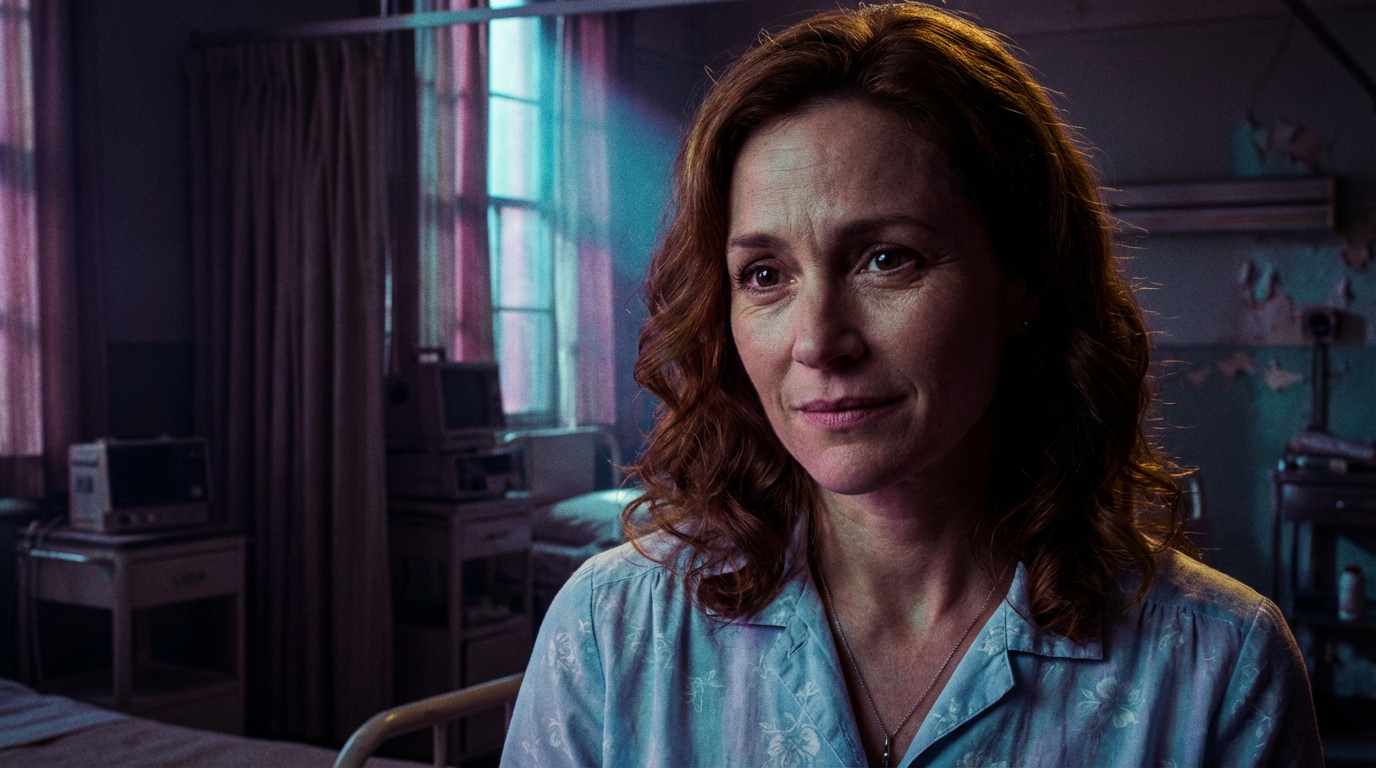
Lola Irene Jenner is a senior registered nurse whose four-decade career in South Australian paediatric care has been defined by an unwavering philosophy: see the whole child, not just the chart. Born into a working-class Port Pirie family where illness was a constant visitor, she transformed early experience of caring for her chronically ill sister into a vocation that would shape thousands of young lives. Her tenure at the Adelaide Women's and Children's Hospital during the 1980s and 1990s established her as a figure of quiet authority—the nurse who noticed what others missed, who held space for unspoken pain, and who became the emotional ballast for both frightened children and overwhelmed colleagues. Her long companionship with fellow nurse Miriam Keel, and her retirement to the Adelaide Hills, reflect a life built on connection, observation, and the steady accumulation of witnessed truths.
Early Life and Family Background
Lola Irene Jenner was born on 9 March 1948 in Port Pirie, a small but industrious town on the eastern shore of the Spencer Gulf in South Australia. She was the second of five children born to Albert Thomas Jenner, a railway yard supervisor employed by South Australian Railways, and Frances Maureen Jenner, née Nelligan, a former auxiliary nurse who had served briefly at the Crystal Brook Bush Nursing Post before dedicating herself to raising a family.
The Jenner household occupied a modest weatherboard cottage on Bentinck Street, just a few blocks from the rail yards where Albert worked. The house had a corrugated iron roof that amplified summer heat and winter rain in equal measure, a vegetable garden maintained by Frances with determined efficiency, and an outdoor laundry shed where the family's copper boiler stood in permanent readiness. Their home was warm but perpetually busy—filled with the constant motion of growing children, the scent of stewed fruit bubbling on the stove, and the familiar crackle of the wood-burning heater that served both kitchen and sitting room during Pirie's long, dry winters.
Port Pirie in the late 1940s and 1950s was a town shaped by industry and working-class solidarity. The lead smelter dominated the economy, its chimney stacks a permanent feature on the horizon, while the railway yards provided employment for families like the Jenners who preferred the relative stability of government work to the hazards of the smelting industry. The town's population was predominantly Anglo-Australian with pockets of Italian and Greek migrants who had arrived to work the railways and mines. It was a place where neighbours knew each other's business, where children roamed freely between backyards, and where illness, injury, and early death were accepted facts of working-class life rather than exceptional tragedies.
Lola was raised alongside her siblings in a household where birth order carried responsibilities. Her older brother Leonard, born in 1945, was expected to follow their father into railway work—an expectation he fulfilled, eventually becoming an engineer with South Australian Railways. Her younger sister Glenys arrived in 1950, a bookish girl who would later become a primary school teacher in Kadina. Michael followed in 1953, cheerful and mechanically minded, destined for a career as a diesel mechanic. And then came Carol, born in 1956, whose arrival would quietly reshape the family's dynamics and set Lola on the path toward nursing.
Carol suffered from chronic respiratory illness throughout her childhood—a condition that in the medical terminology of the era was vaguely attributed to "weak lungs" but which modern diagnosis might have identified more specifically. She spent more time in bed than out of it during winter months, her breathing laboured and her energy perpetually diminished. The local doctor visited regularly, prescribed tonics and rest, and offered the kind of cautious optimism that families learned to interpret as resignation. Carol would not see her twenty-fifth birthday; she died in her early twenties from complications related to a staphylococcal infection that her compromised system could not fight.
It was Carol's frailty—and the household's constant accommodation of illness—that quietly shaped Lola's early interest in nursing. From the age of eight, she became her sister's unofficial caregiver, assisting with steam inhalation bowls prepared over the kitchen stove, applying warm compresses to Carol's chest, and administering midnight medicine routines when their mother was too exhausted to wake. Frances, whose own nursing career had been interrupted by motherhood, recognised something in her second daughter's patient attentiveness and nurtured it deliberately. She encouraged Lola to accompany her on visits to elderly neighbours and retired mill workers in the area, many of whom lived alone or in poor health. These visits taught Lola lessons that no formal training could replicate: how to enter a sickroom without disturbing its occupant, how to read discomfort in a face that would not admit pain, how to offer practical help without diminishing dignity.
The Jenner family's Catholicism provided structure and community in a town where denominational identity still mattered. Lola attended St Mark's Primary School, a modest institution run by the Sisters of Mercy, where she was remembered by teachers for her reliability, restraint, and fastidious penmanship. The nuns emphasised service, discipline, and the importance of caring for those less fortunate—values that aligned seamlessly with what Lola was already learning at home. She was not a rebellious child, nor a particularly imaginative one; she was steady, observant, and inclined toward practical assistance rather than theoretical questioning.
In 1961, she enrolled at Pirie High School, where she proved a capable student, excelling in English composition, biology, and home science—subjects that would serve her well in nursing. She was not socially prominent; she lacked the easy confidence of the popular girls and the academic ambition of those destined for university. But her presence was noted by teachers and classmates alike: steady, curious, and quick to offer practical support rather than seek attention for herself. She joined the school's first aid club, helped organise charity drives, and spent lunch hours in the library rather than the social tumult of the schoolyard.
Though she was offered a clerical apprenticeship at the Port Pirie District Council in her final year—a respectable position that would have kept her close to family—she declined it in favour of applying for the Royal Adelaide Hospital Nursing Training Programme. Her application was accepted in late 1965, and she relocated to Adelaide the following February at eighteen, her first time living away from home.
Her departure was bittersweet. Carol's health had been deteriorating steadily, and Lola's sense of responsibility weighed heavily. She had spent a decade as her sister's primary caregiver outside of their mother, and leaving felt like abandonment regardless of how rationally she framed it. Yet Frances insisted she go. "You'll be more use with a uniform and proper training," she had said, her voice carrying the practical wisdom of a woman who had once worn that uniform herself. "Not just wearing yourself out here."
That quiet permission became a defining moment in Lola's life—the transition from familial duty to professional vocation. She boarded the train to Adelaide alone, wearing a second-hand coat and carrying a small suitcase, the address of the nurses' quarters pinned in her pocket. She would return to Port Pirie often over the following years, but never permanently. Carol died while Lola was completing her training, and the grief of that loss—the sense that she had traded her sister's final years for her own ambition—would shadow her relationship with paediatric nursing for decades, driving her toward the children she could save even as she mourned the one she could not.
Nursing Training and Early Career
Lola commenced her nursing training in February 1966 at the Royal Adelaide Hospital School of Nursing, one of the most respected training institutions in South Australia. The school operated under the British-derived Nightingale system, with its rigid hierarchies, strict discipline, and distinct emphasis on protocol, precision, and professional comportment. Nursing students—often referred to simply as "probationers" during their first year—were housed in the Margaret Graham Building, where lights-out rules and compulsory curfews were enforced by senior sisters and matrons whose authority was absolute and whose disapproval was crushing.
The transition from Port Pirie to institutional Adelaide was jarring. Lola had never lived in a city, never shared quarters with strangers, never been subject to the particular combination of exhaustion and humiliation that characterised nursing training in that era. Her early months were a steep acclimatisation: twelve-hour shifts that left her feet blistered and her back aching, endless linen trolleys to push, enamel kidney dishes to sterilise, and charting done by hand in the small hours when concentration was hardest to maintain. There was an austere grace to it all—the crisp uniforms, the polished shoes, the ritual of morning handover conducted in hushed tones beneath the polished brass of the ward bell—but the romance of nursing faded quickly in the face of bedpans, difficult patients, and senior nurses who seemed to regard probationers as barely sentient obstacles to efficient ward management.
Yet Lola endured where others faltered. Several of her cohort dropped out within the first six months, unable to tolerate the combination of physical demands and emotional suppression that the training required. Lola had been prepared for this, though she could not have articulated how. The years of caring for Carol had taught her that illness was not romantic, that bodies failed in undignified ways, and that the most important thing a caregiver could offer was not sentiment but steadiness. She learned to function through exhaustion, to suppress her own discomfort in service of those who needed her more, and to find satisfaction in competence rather than praise.
By the late 1960s, the nursing profession was beginning to change. Conversations around holistic and patient-centred care were entering training lectures, challenging the purely technical approach that had dominated earlier generations. Lola proved quietly responsive to these emerging ideas, recognising in them something that aligned with her own instincts about what nursing should be. She completed her General Nurse Registration in late 1969, earning strong marks in anatomy and medical ethics, and glowing practical reviews from supervisors who noted her composure, her attention to detail, and her ability to connect with patients who had withdrawn from other staff.
Rather than pursue immediate full-time employment in a general medical ward—a common route for new graduates—Lola opted to undertake further study through a Paediatric Postgraduate Certificate, offered at the Adelaide Children's Hospital in partnership with the South Australian School of Nursing. She began this additional year in early 1970, attending lectures in child development, nutrition, and infectious disease, and rotating through both medical and surgical paediatric wards. The decision was deliberate: she had spent her childhood caring for a sick sibling, and the idea of caring for other people's sick children felt like both vocation and penance.
It was during these rotations that Lola encountered the type of nursing that would define her career: not simply administering treatment, but interpreting the emotional cues of children too young to articulate distress, and navigating the fraught terrain where parental anxiety, medical authority, and institutional limitation intersected. She obtained her Paediatric Registration in early 1971 and began her first full-time clinical post that same year at the newly opened Modbury Hospital, then operating as a general community facility with a modest paediatric wing.
Her time at Modbury was foundational, though brief. The hospital was new, its procedures still being established, and the atmosphere carried an optimism that older institutions lacked. Lola earned praise from ward coordinators for her composure during a critical respiratory emergency involving an asthmatic toddler during a thunderstorm-induced surge of admissions—a night that would remain vivid in her memory decades later, when she could still recall the child's blue-tinged lips and the desperate relief in the parents' eyes when the crisis passed.
In 1973, seeking broader clinical experience, Lola accepted a role at Mount Gambier Hospital, a rural base facility serving a wide catchment of farming families and Aboriginal communities. The remote nature of the placement meant nurses were often required to think creatively and act decisively, without the backup of specialists or the resources that metropolitan hospitals took for granted. Lola thrived in this environment, her working-class practicality proving well-suited to conditions where improvisation was frequently necessary and protocol sometimes had to bend to circumstance.
During her time in Mount Gambier, she developed a close professional rapport with Patrice Wandin, a local midwife who was one of the region's first Aboriginal women to serve in a formal perinatal health capacity. Patrice expanded Lola's understanding of community-based care, teaching her to recognise how health, trauma, and memory often intersected invisibly—how a patient's reluctance to seek treatment might stem not from ignorance but from generations of institutional harm, how trust had to be earned rather than assumed, how the most effective care often required meeting people where they were rather than where medical protocols said they should be. Lola would later credit Patrice with transforming her approach to nursing, though the two women lost touch after Lola returned to Adelaide and Patrice moved to work with Aboriginal health services in the Northern Territory.
In late 1975, Lola transferred back to Adelaide to take a permanent position at the Queen Victoria Hospital, which had long been a centre of excellence for women's health and obstetrics. There she worked across both the postnatal and neonatal wards, eventually specialising in paediatric recovery and parent education. Her clinical instincts, reliability, and capacity for calm authority made her a stabilising force on evening and overnight shifts—those long hours when children most often cried, when young mothers most often unravelled, and when the distance between home and hospital felt most acute.
The Women's and Children's Hospital Years
When the Queen Victoria Hospital and the Adelaide Children's Hospital merged in 1989 to form the Adelaide Women's and Children's Hospital, Lola was invited to join the newly consolidated paediatric medicine team as a senior night duty nurse. Despite her quiet nature and consistent avoidance of managerial ambition, her institutional memory and respected judgement made her a natural choice to help shape the cultural transition. Her name appears in several archived staff briefings and foundational rosters during the hospital's first year of joint operation—not in positions of formal authority, but as someone whose presence was considered essential to maintaining continuity of care.
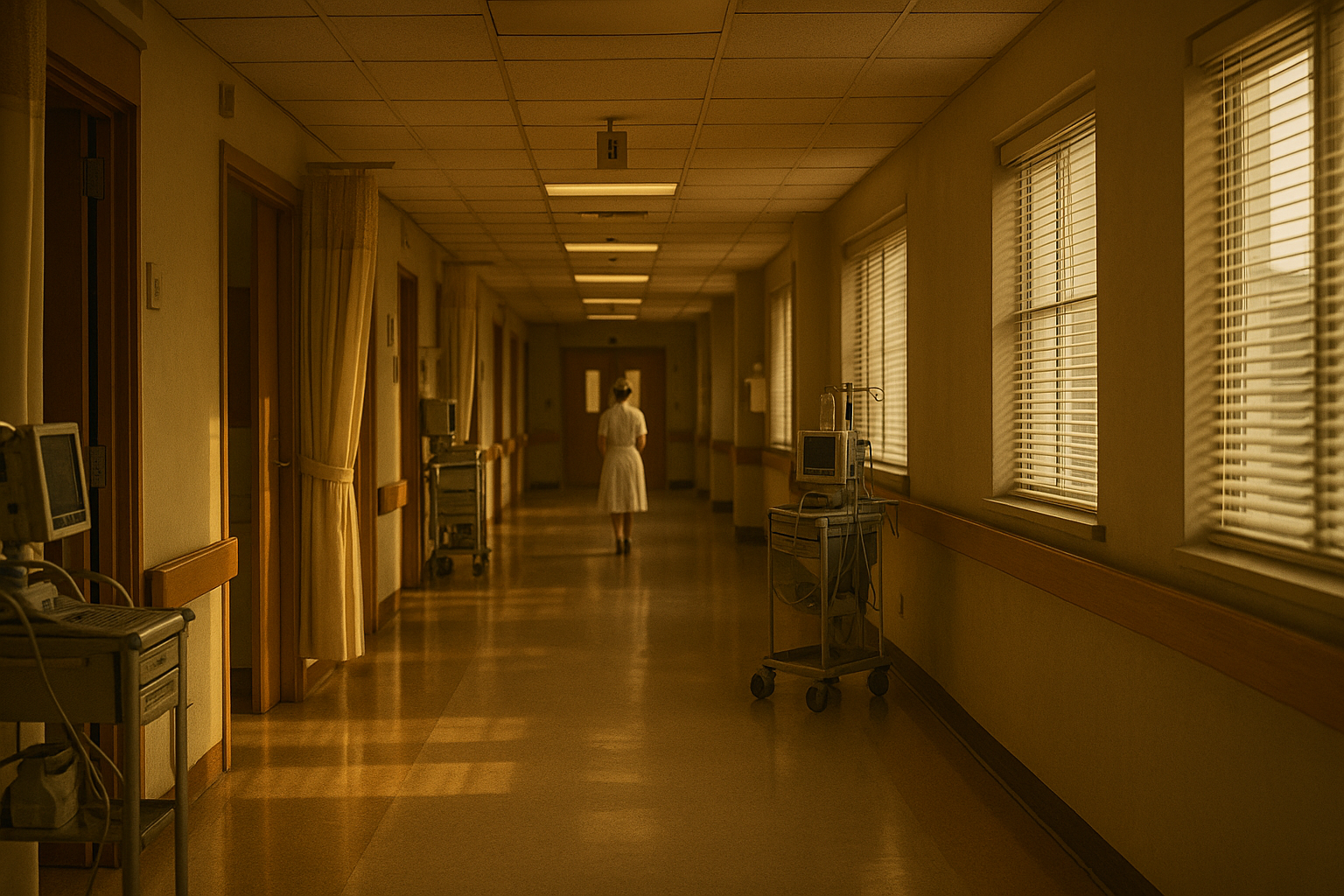
From 1990 onward, Lola remained a constant and grounding presence on Ward 3 East, caring for children with a range of complex medical and psychosocial needs. She resisted promotions that would have taken her off the floor, instead choosing to stay in direct contact with patients and families. For over two decades, she became a figure quietly woven into the fabric of the hospital—seen but never celebrated, known but never idolised, her influence expressed through the countless small acts of attention and compassion that formal records could not capture.
Her clinical style was distinctive. She preferred action over theory, yet her observational skills were among the sharpest on the ward. It was often Lola who noticed the subtle signs that other staff missed: the child whose pain did not match their diagnosis, the mother whose protectiveness masked anxiety or something darker, the boy who rarely cried even when he should have. She had developed what colleagues came to call intuition but which was really the accumulated wisdom of decades spent watching children—learning to read the language of their bodies when their words could not be trusted.
Her interactions with senior physicians, including Dr Douglas Schofield, were marked by mutual respect born of complementary skills. Where Schofield was known for his intensity and quiet analytical precision, Lola provided the emotional ballast—the warmth that made his clinical detachment bearable for frightened families, the practical advocacy that translated his medical recommendations into terms parents could understand. She was direct but never cold; affectionate but never sentimental in ways that might compromise professional judgement. Children trusted her. So did parents. And so, eventually, did the doctors who learned that Nurse Jenner's concerns were worth heeding even when they could not be articulated in diagnostic terminology.
Among the cases that marked her time on Ward 3 East, the events involving Luke Smith and Gloria Richards in October 1990 remained particularly vivid. She was the first to reach them after the wheelchair accident, the nurse who checked their pupils for damage while the ward erupted into controlled chaos around them. She later attempted to de-escalate the confrontation between Luke's mother and hospital staff—a charged encounter that left her with the uncomfortable sense that something was deeply wrong, even as the evidence remained maddeningly elusive.
Her impressions from those days—largely unrecorded in official notes—formed the basis of quiet conversations between staff and administrators in the weeks that followed. She witnessed moments that haunted her: the way Luke flinched when his mother touched him, the theatrical quality of maternal concern that somehow felt performed, the child's silence when he should have spoken. When Gloria died during that same admission, Lola helped Dr Schofield remove the girl's body from the room while Luke slept undisturbed—a moment of grief and professional duty that she never discussed publicly but which colleagues who witnessed it never forgot.
While never formally involved in the hospital's child protection or psychological services, Lola's off-the-record contributions often shaped how sensitive cases were handled internally. She became known as someone staff could speak to without fear of being judged or reported—a confidante whose discretion was absolute and whose wisdom had been earned through decades of bearing witness to family dynamics that formal training could not prepare anyone to navigate.
Personal Life
Lola never married, though she shared a long-term companionship with fellow nurse Miriam Keel that began in the late 1970s and lasted until Miriam's death in 2008. The two women met at Queen Victoria Hospital, where Miriam worked in the obstetric theatre, and their connection developed gradually from professional respect into something deeper that neither of them ever felt the need to name publicly.
They moved in together in 1979, sharing a flat in Norwood that would remain their home for nearly thirty years. The arrangement was practical on its surface—two nurses with unpredictable schedules pooling resources for a decent address close to the hospitals where they worked—but those who knew them understood that the relationship was the emotional centre of both women's lives. In an era when same-sex relationships were not openly acknowledged, particularly in conservative professions like nursing, Lola and Miriam maintained a privacy that protected them from scrutiny without requiring dishonesty.
Their Norwood flat became known among a small circle of colleagues for its Sunday afternoon teas—informal gatherings where nurses and the occasional doctor would share food, conversation, and the kind of professional debriefing that formal channels did not accommodate. The flat also housed a succession of adopted greyhounds—retired racing dogs that Lola began rescuing in the 1980s after encountering one abandoned near the hospital. The dogs became a shared project, their care and rehabilitation providing the kind of domestic rhythm that both women had chosen over more conventional family arrangements.
Miriam was diagnosed with ovarian cancer in 2006, and Lola nursed her through two years of treatment and decline with the same steady competence she brought to professional caregiving—though colleagues noticed a weight in her that had not been there before, a tiredness that went beyond shift work. Miriam died in February 2008, and Lola took extended leave for the first time in her career, returning to work after three months with a quietness that those who knew her well recognised as grief held under impossible pressure.
Lola had no children of her own, though she maintained close relationships with the children of former colleagues—godparent-like connections that provided some of the continuity and affection that her professional life, for all its intimacy with young patients, could not sustain. She was generous with her time and attention toward these children, attending school events and birthday parties with the same reliability she brought to hospital shifts, though she was careful never to confuse her role with parenthood. She had spent her career caring for other people's children in crisis; the children she loved outside work represented something different—connection without the shadow of illness, relationship without the institutional constraints that shaped her professional interactions.
Her amateur interest in birdwatching developed in the 1990s, a hobby that took her into the Adelaide Hills on her days off and provided the kind of solitary contemplation that her demanding work schedule rarely permitted. She kept detailed logs of her sightings, recording species, locations, and behaviours with the same meticulous attention she brought to patient observation. The hobby became more central to her life after Miriam's death, offering both structure for her free time and a reason to continue exploring the landscapes they had once walked together.
Later Career and Retirement
By 2010, Lola had been nursing for forty-four years, and the physical demands of the profession had begun to exceed what her body could sustain. Her knees ached from decades of standing; her back protested the lifting that paediatric nursing inevitably required; and the overnight shifts that had once energised her now left her depleted in ways that rest could not fully address. She retired from full-time nursing that year, though she continued to serve as a volunteer mentor and relief staff member at Stirling Community Clinic until 2017.
Her mentorship of younger nurses had become increasingly important to her in her final years of practice. Those who trained under her remembered not formal instruction but the example of her presence—the way she demonstrated how to listen, how to observe, how to create space for truths that patients might not know they carried. Not all residents appreciated her methods; some found her frustratingly indirect, her silences more challenging than explicit guidance would have been. But those who understood what she was offering emerged as different kinds of practitioners, carrying forward her philosophy in ways that would outlast her direct influence.
Her informal teaching became codified in the phrase "Lola's Rule"—a term that circulated among nursing staff at the Women's and Children's Hospital and eventually spread to other institutions where her former mentees worked. The rule was simple: see the whole child, not just the chart. It captured something essential about her approach—the insistence that medical treatment was never purely technical, that every patient existed within a web of family dynamics, emotional needs, and unspoken fears that competent care had to acknowledge even when it could not directly address.
By 2025, Lola resided in Bridgewater, a small township in the Adelaide Hills where she had purchased a modest cottage after leaving the Norwood flat. The move represented both practical downsizing and emotional transition—a recognition that the life she had built with Miriam was over, and that her remaining years would be shaped by different rhythms. She remained active despite her age, walking the bush trails that surrounded her home, maintaining her birdwatching logs, and participating in the local historical society, where her memories of mid-century nursing practices made her a valued contributor to oral history projects.
She wrote occasionally for Nursing Heritage SA, contributing reflections on the evolution of paediatric care and the institutional culture of hospitals she had known. Her pieces were modest—factual rather than analytical, observational rather than argumentative—but they captured something of the vanished world of mid-twentieth-century nursing that younger practitioners found both foreign and instructive.
She was remembered not as a pioneer or innovator, but as something perhaps more valuable: a constant presence in an institution where constancy was rare, a witness to decades of children's suffering and recovery, a keeper of stories that formal records could not contain. Those who had worked with her—and those who had been cared for by her—carried her influence forward in ways she would never fully know, her philosophy of attention and compassion rippling outward through the practice of nurses she had trained and the memories of patients she had tended in their most vulnerable hours.







