
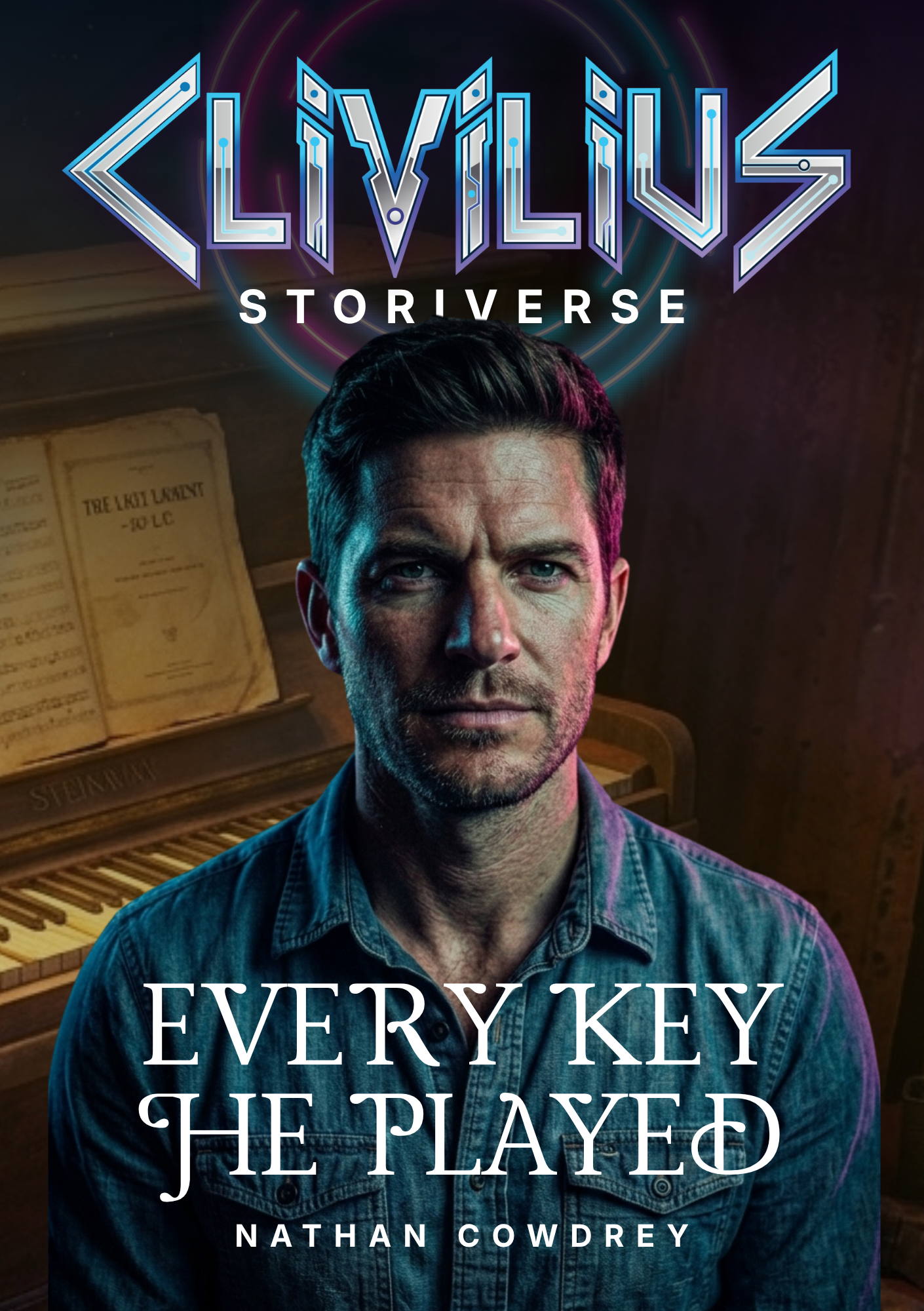
Every Key He Played
Paul Smith could play almost anything by ear. Hymns for the ward. Love songs for his wife. The pieces his children asked for at bedtime. The hymns at his mother's funeral, chosen by people who had known her better than he had. He was the man who knew how a song was supposed to go and could give it to you exact. What he could not do — had never been able to do, not even on the piano bench alone at midnight with nobody listening — was play anything that was simply his own.
His mother nearly died the day his brother was born trying to do something nobody would speak of. His father put the silence around her like a tarpaulin and asked the boys to hold the corners. Paul was sixteen months old. He learned the rule before he had words for it: when there is something you cannot look at, you play the next thing perfectly.
He went on his mission because his family said so, married his high school girlfriend because it was what came next, built a business because his father had and he knew how it looked from the outside. He stopped believing in the church but never worked out how to stop going. He loved his children always. What he wanted for himself, he had learned not to name.
Then one July night his brother called with something impossible, and Paul did what he had never done in his adult life. He ran. The running was the only real choice he ever made. The choice killed his daughter. The city he wakes in now would have been unimaginable from the bedroom window he climbed out of. He builds it — organiser, coordinator, piano player at ceremonies. It looks like purpose. But everything he has done since has been an apology, perfectly played, to a child who cannot hear it.


