Dreams and Portraits
Some people observe the world. Maeve Campbell translates it—transforming what she sees into images, what she feels into stories, what others cannot articulate into forms they finally recognise. Middle daughter, emotional interpreter, artist before she understood why. Her life traces the territory between perception and expression, between sensing what's coming and finding courage to face it. She draws what words cannot hold. She feels what others learn to name.
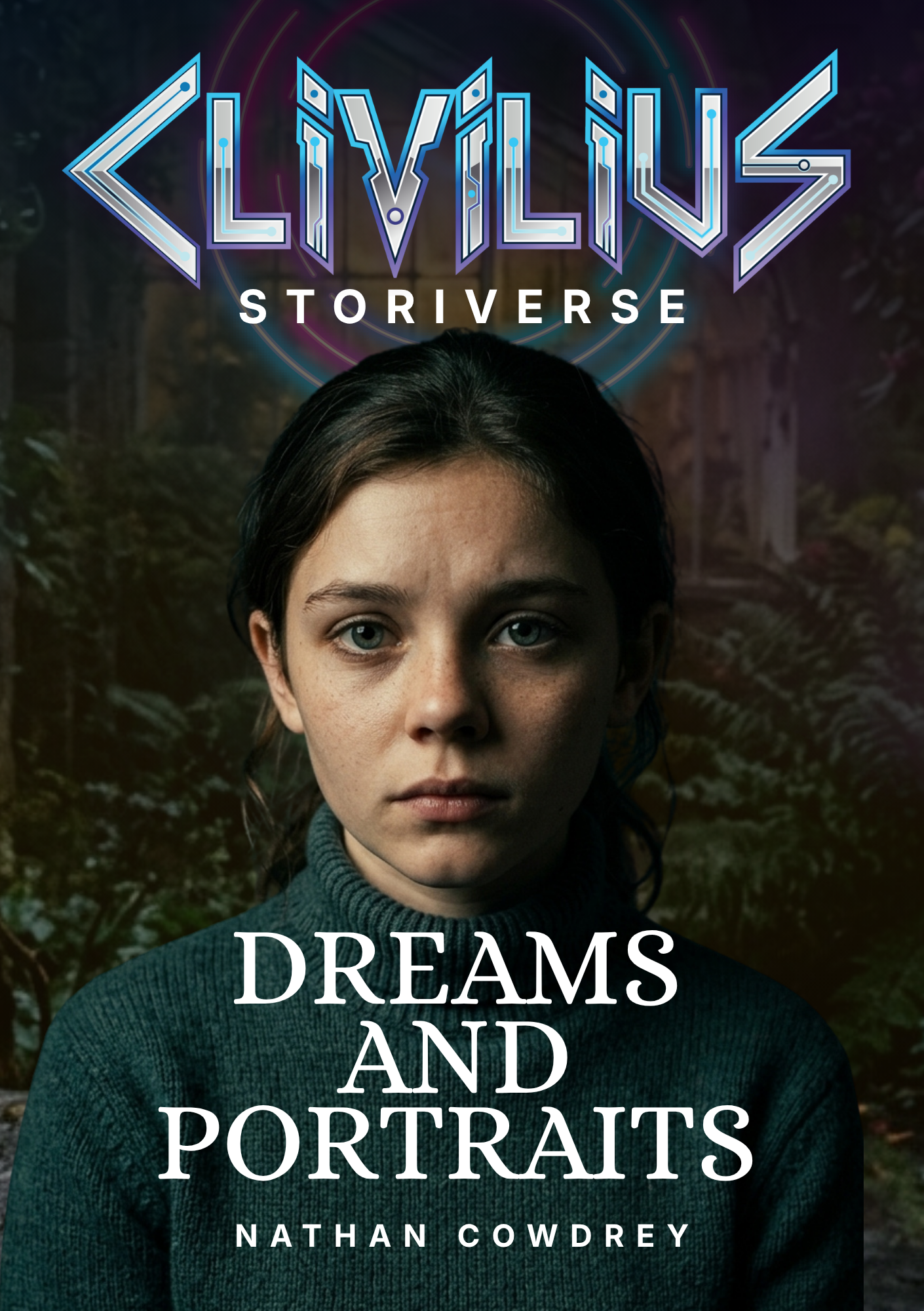
Maeve Campbell grew up fluent in languages that had no grammar—the vocabulary of colour and shadow, the syntax of gesture and glance, the dialect spoken by plants her grandmother tended and her father never quite explained.
She was eight when her mother died, and grief taught her that some truths can only be drawn, never spoken. The sketchpad became her sanctuary. Every portrait captured something the subject hadn't meant to reveal. Every landscape held doors that weren't quite visible until her pencil found them.
Between an elder sister who analysed and a younger sister who built, Maeve interpreted—translating Isla's logic into feeling, Rowan's frustrations into understanding, her father's silences into the love he couldn't always voice. The family's emotional heart, they called her. She learned that hearts break open as often as they break down.
Her drawings began showing things before they happened. Her dreams carried warnings she didn't know how to heed. The sensitivity that made her vulnerable was preparing her for something larger than she'd imagined.
Some artists paint what exists. Maeve Campbell learned to paint what's becoming.






