The Invisible Man
Marco Ferraro spent most of his life perfecting the art of disappearing. The dutiful son at Sunday lunch. The quiet cleaner in the hi-vis vest. The man on the app whose profile showed no face. Every room he entered, he mapped for exits and sightlines. Every relationship he built had a false floor. The double life was so complete that when he vanished from Earth entirely — naked, shoved through a hole in reality by a stranger he'd been on his knees for — nobody who knew him knew which Marco had gone missing.
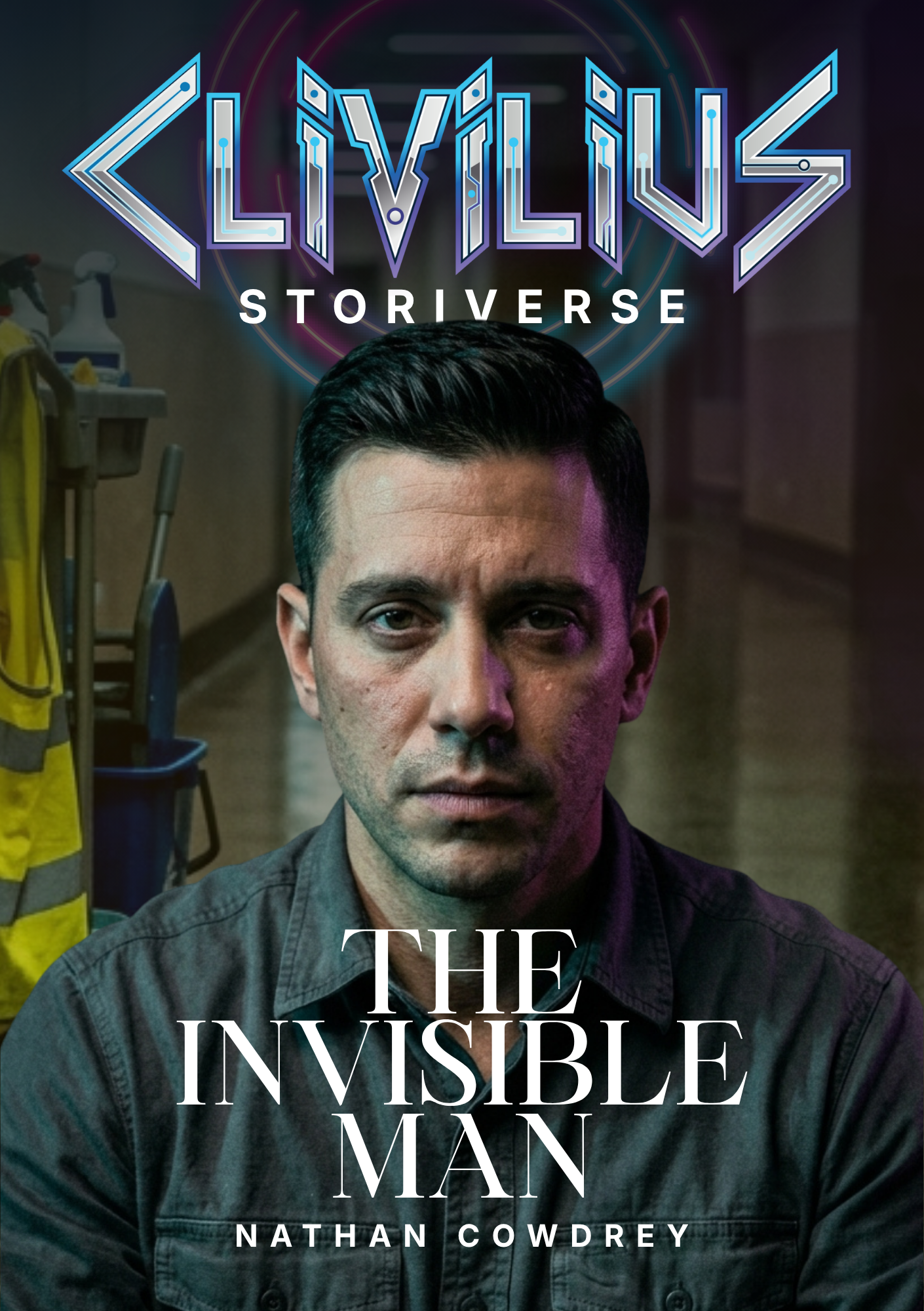
Marco grew up in a brick veneer house in Adelaide's northern suburbs, the son of a tiler and a woman who kept the family business accounts in shoeboxes labelled with masking tape. He was Catholic before he was anything else. He learned to map every space he entered for its potential to conceal before he learned to tie his shoes properly, and the mapping never stopped.
Sunday lunches at the Ferraro house. Sacraments received in the prescribed order. Girlfriends manufactured for cover. Anonymous encounters in car parks and bathroom stalls, followed by rosary beads pressed into his palms and promises to God that never held past the next notification. The double life was so deeply embedded that even the shame had become routine — another line item in the ledger of a man who counted everything because numbers were the only honest language he knew. He perfected the art of disappearing — not from rooms but from himself, constructing a surface so thoroughly ordinary that no one thought to look for what was underneath.
He lives now in a city that has no use for the armour he spent most of his life building. Most days that feels like something close to freedom. On the other days, the guard is still on the wall, because a guard does not know how to come down.







