Nial & Jenny Triffett Residence, Fern Tree
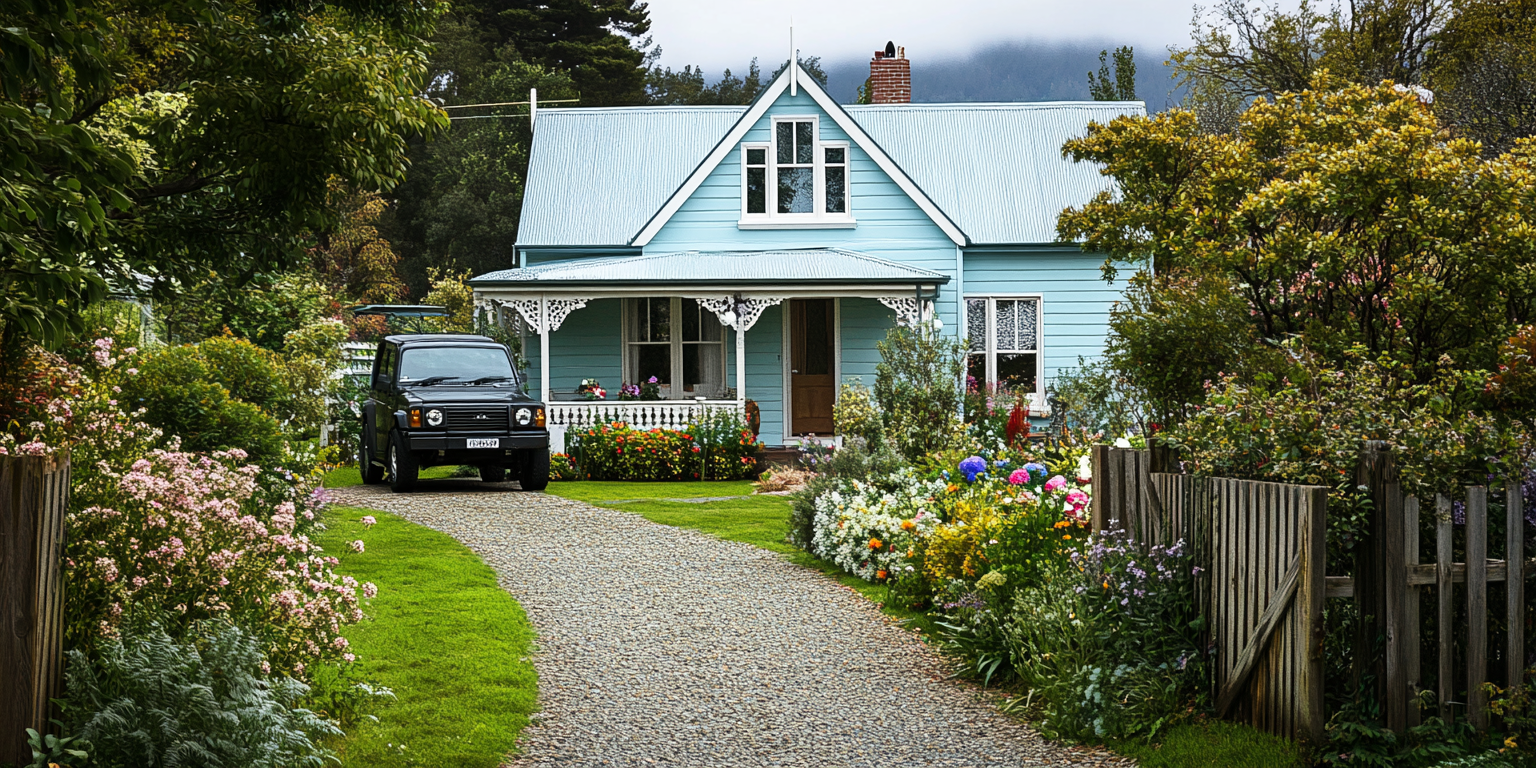
The Triffett residence in Fern Tree, Hobart, Tasmania, was once a symbol of family warmth and success. Built in 1974 and purchased by Nial and Jenny Triffett shortly after their wedding, the house stands as a cherished home full of memories, set against the backdrop of Mount Wellington's imposing beauty. However, by July 2018, with Nial’s sudden disappearance and their son Sammy’s unsettling behaviour, the home took on a darker tone. Just weeks later, in August 2018, the entire Triffett family vanished without a trace, leaving the house a haunting relic of a life abruptly cut short.
Construction and Early History
The pale blue weatherboard house at 5 Pillinger Drive, Fern Tree that would become the Triffett family home was constructed in 1974 by local architect Stephen Hargrave, during a period when the suburb's population was expanding beyond its earlier retreat-community origins. The dwelling exemplified classic Tasmanian countryside design—weatherboard construction with white-trimmed windows, a wide front porch offering views of kunanyi/Mount Wellington's towering slopes, and proportions that balanced comfortable family living with the modest scale appropriate to its forested setting.
Built on a narrow, tree-lined street where human habitation dissolved gradually into wild Tasmanian bush, the house occupied that liminal space characteristic of Fern Tree itself—neither wholly urban nor completely rural, positioned on the threshold between Hobart's cultivated edges and the ancient forests clothing the mountain's eastern flanks.
The structure's design reflected 1970s building standards with some modifications undertaken by previous owners: solid timber framing, weatherboard cladding requiring regular maintenance, modest insulation by contemporary standards but adequate for Tasmania's temperate climate, and a layout that prioritised functional living spaces over architectural flourish. The wide front porch, particularly characteristic of Hargrave's residential work, created a transitional zone between interior domesticity and the surrounding bush, offering shelter whilst maintaining visual connection to the landscape.
The Triffett Purchase: 2015
Nial and Jenny Triffett purchased the property in 2015, shortly after their 25 June wedding, though they'd been together since university days and had already welcomed their son Sammy the previous October. The house represented their first significant joint investment beyond university rentals and temporary accommodation—a space they could genuinely claim as their own, transform according to their shared vision, establish as the foundation for family life they were consciously building.
The location suited both their professional circumstances and personal preferences. Jenny's teaching position at St Michael's Collegiate School required reasonable commuting distance to Hobart's centre, which Fern Tree provided without sacrificing the quieter environment they preferred. Nial's fencing business, Triffett Fencing Solutions, operated throughout greater Hobart and southern Tasmania, making the Fern Tree location practical for accessing job sites whilst maintaining a home workshop and storage space for materials and equipment.
But beyond practical considerations, the house and its setting appealed to something deeper in both Nial and Jenny's sensibilities. The proximity to Mount Wellington's walking tracks satisfied Nial's love of outdoor activities and provided weekend adventure opportunities with young Sammy. The artistic community Fern Tree attracted—writers, scientists, environmentalists, creative professionals who valued contemplative solitude without complete isolation—created a neighbourhood culture Jenny found stimulating. The house itself, with its solid construction and established character, offered a canvas they could gradually reshape whilst respecting its existing integrity.
Creating Home: 2015-2017
The first years of Triffett occupancy transformed the house from merely functional dwelling into genuine family sanctuary. Nial approached property maintenance with a craftsman's attention to detail, personally constructing garden fencing that demonstrated the quality workmanship his business reputation was built upon, maintaining lawns and flowerbeds with the same precision he applied to commercial projects, undertaking repairs and improvements that ensured the structure remained sound whilst gradually reflecting their aesthetic preferences.
Jenny brought creative warmth to the interior spaces, where her love for the arts manifested in carefully curated details. Bookshelves held eclectic collections spanning theatre history, contemporary playwriting, Nial's historical novels, parenting guides, and children's literature accumulating as Sammy grew. Walls displayed framed posters from theatre performances Jenny had directed or participated in, abstract paintings she'd created during solitary creative sessions, and increasingly, Sammy's artwork—childish scribbles gradually evolving into more recognisable representations of his expanding world.
The house developed distinct zones reflecting family members' needs and personalities. The main bedroom became Nial and Jenny's private retreat, decorated with photographs from their university days and early relationship, a space where exhausted parents could briefly escape the demands of toddlerhood. Sammy's room evolved through his developmental stages—initially a nursery with soft colours and safety features, gradually transforming into a small boy's domain featuring toy storage, a growing book collection, and decorations reflecting his emerging interests.
Nial's home office, located in what had originally been designed as a small study or spare bedroom, served dual purposes. Business administration required dedicated workspace—computer for managing accounts and client communications, filing systems for contracts and tax documents, storage for business records and equipment manuals. But the space also housed Nial's guitar collection and personal projects, making it simultaneously professional headquarters and private sanctuary where he could retreat when household chaos became overwhelming.
The kitchen functioned as family gathering point, where Jenny prepared meals that balanced nutrition with the practical realities of feeding a young child and a husband whose construction work burned considerable calories. The dining table witnessed countless conversations—mundane planning discussions about schedules and shopping lists, deeper explorations of hopes and concerns, games and activities with Sammy that transformed ordinary dinners into family bonding time.
The arrival of Buffy, their Dalmatian, in late 2017 necessitated additional adjustments. Dog doors were installed providing outside access, feeding stations established, portions of the garden designated for canine activities. Buffy's energetic presence added joyful chaos to household routines whilst also providing Sammy with a companion whose devotion was absolute and uncomplicated.
Aftermath and Legacy
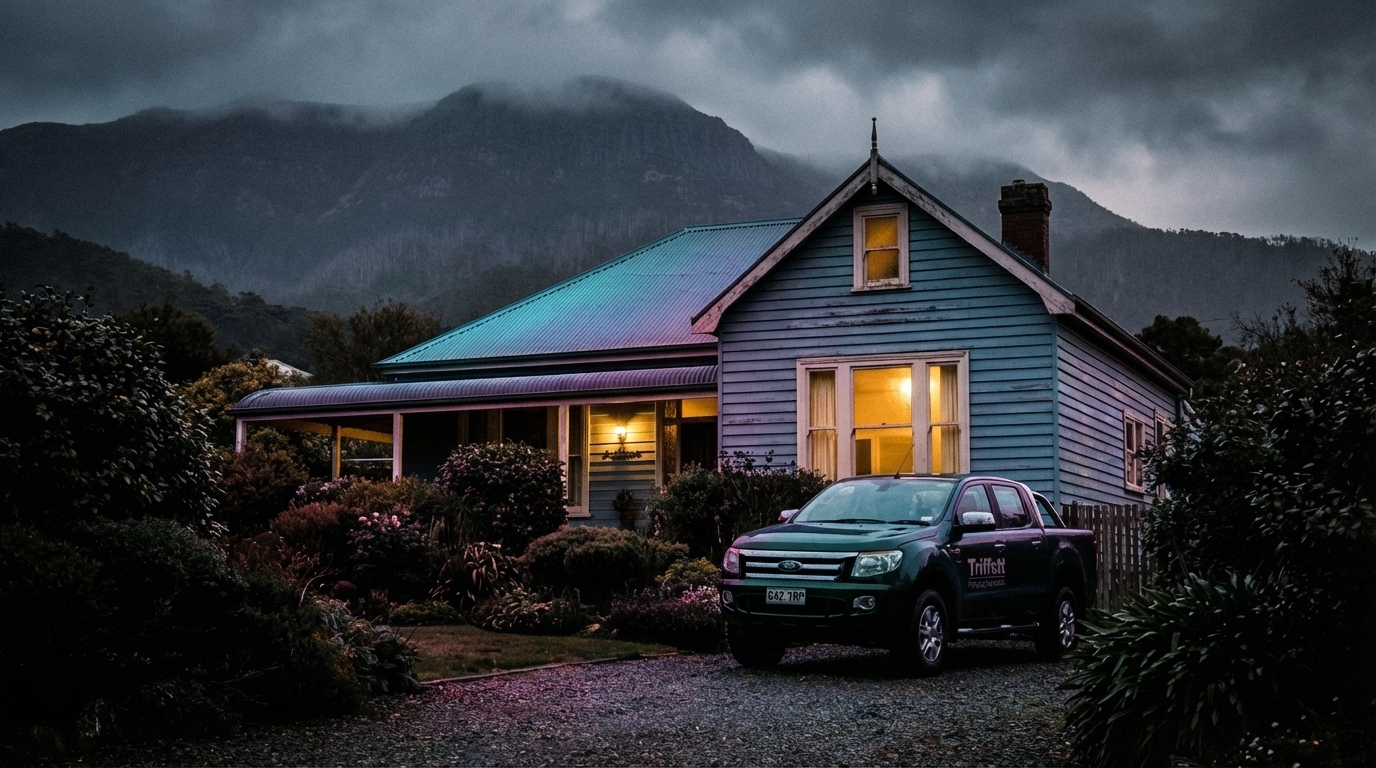
The Triffett residence remains one of Fern Tree's most unsettling sites—an empty structure bearing silent witness to a family's inexplicable disappearance. Local residents avoid the property, its overgrown state serving as visible reminder of unresolved mysteries the community would prefer to forget. The tight-knit neighbourhood that had once welcomed the Triffetts now regards their former home with mixture of sadness, unease, and the particular discomfort that comes from proximity to the inexplicable.
The case itself achieved notoriety throughout Tasmania and beyond. Detective Karl Jenkins' investigation, meticulously documented in Case File 019-054, established patterns suggesting something far more complex than simple missing persons reports. The house became central to multiple theories—domestic violence, financial desperation, involvement with criminal elements, psychological breakdown—none of which fully explained the totality of evidence or the particularly strange details like Sammy's testimony about rainbow lights and dimensional portals.
Artist and neighbour Cecilia Vane created an installation titled "Absent House" in 2021, using domestic objects to explore themes of memory, loss, and what communities choose to remember versus what they suppress. The work referenced the Triffett residence specifically, acknowledging how this single structure had come to represent Fern Tree's complicated relationship with mystery—the suburb's liminal character making it simultaneously place where disappearances felt almost natural and profoundly disturbing.
The house's current legal status remains complicated. Title technically remains with Nial and Jenny Triffett, though presumption of death declarations could eventually transfer ownership. Questions about estate management, property taxes, and maintenance responsibilities have created bureaucratic tangles reflecting the case's unresolved nature. The structure continues deteriorating, weatherboard cladding requiring paint it won't receive, gutters clogging with leaves nobody clears, the slow decay echoing the family's vanishing.
For those who knew the Triffetts—friends, colleagues, family members left behind on Earth—the house represents something beyond mere property. It's the last place anyone saw them living ordinary lives, the physical space that contained their hopes and struggles, the structure that witnessed whatever impossible events led to their disappearance. Rowena Hodgman, Jenny's mother, has been photographed standing before the locked front door, her expression suggesting grief that transcends ordinary loss—mourning not just a daughter and grandson but the unanswered questions that make closure impossible.
