Michelle Louise Robinson
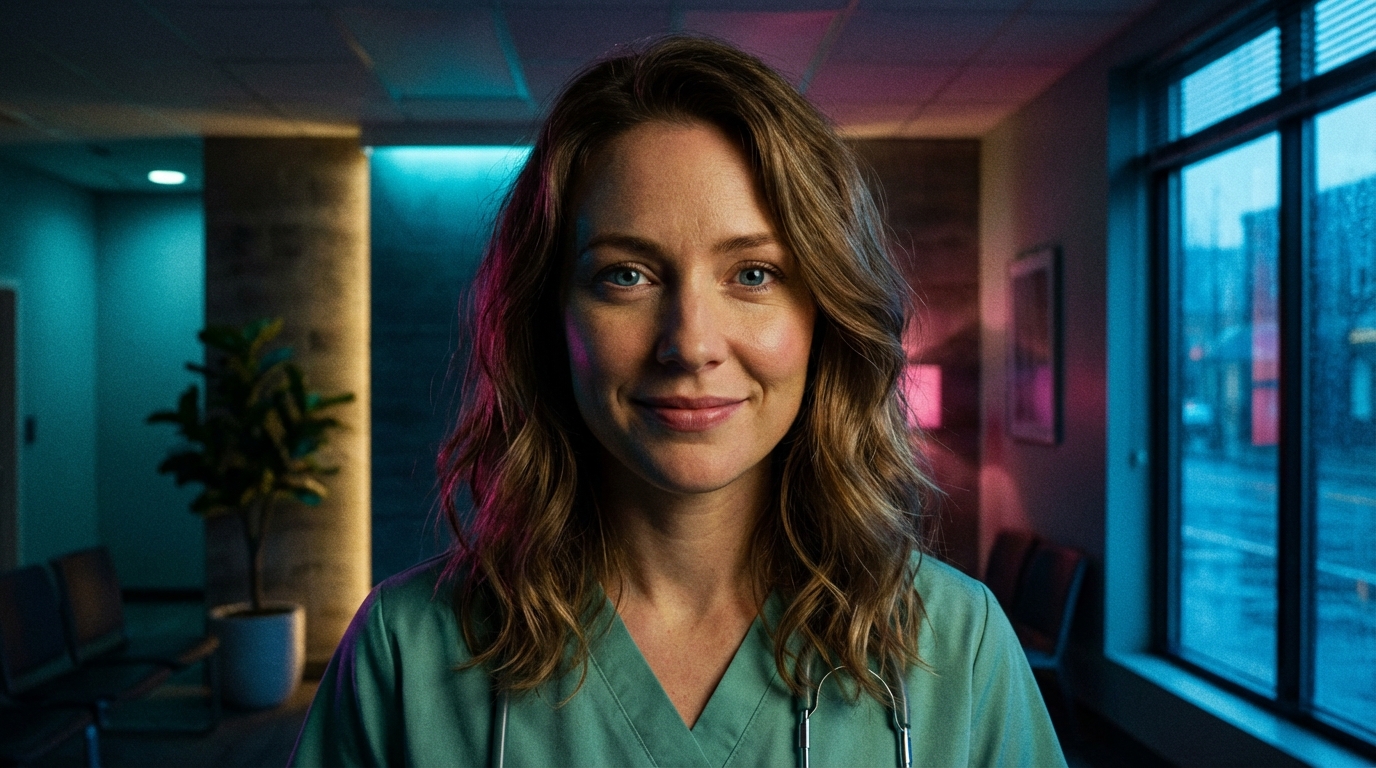
Michelle Louise Robinson, born in Hobart in 1992, represents a new generation of healthcare professionals shaped by Tasmania's distinctive medical community. Raised in Taroona by parents who modelled service and education, she progressed from high school volunteer to receptionist at the Hobart Family Doctor's Practice, where she witnessed the transformative events of July 2018. Now pursuing a Bachelor of Health Science whilst continuing her administrative role, Michelle embodies the practice's commitment to nurturing talent and community-centred care.
Early Life and the Robinson Household
Michelle Louise Robinson was born on 6 August 1992 at the Royal Hobart Hospital, arriving as the first child of David and Susan Robinson during an unusually mild Tasmanian winter. The household into which she entered was one shaped by vocational commitment and a deep appreciation for the transformative power of education.
David Robinson had built his career as a high school teacher, spending more than two decades guiding adolescents through the complexities of English literature and the challenges of finding their voices. His classroom at Taroona High School became known as a space where struggling students discovered unexpected capacities and where the love of learning was kindled through patient attention rather than rigid instruction. The lessons he offered extended beyond curriculum—lessons about perseverance, intellectual curiosity, and the responsibility that comes with knowledge. These values permeated the Robinson household, creating an environment where questions were encouraged and effort was celebrated regardless of outcome.
Susan Robinson brought a different but complementary perspective to family life. As a registered nurse whose career spanned various wards at the Royal Hobart Hospital, she understood intimately the intersection of medical science and human vulnerability. Her shifts exposed her to the full spectrum of human experience—birth and death, recovery and decline, the quiet heroism of patients facing difficult diagnoses and the profound relief that accompanied successful treatment. Susan carried these experiences home not as burden but as wisdom, teaching her children that healthcare extended far beyond clinical procedures to encompass the whole person in their moment of need.
The family settled in Taroona, a leafy suburb stretching along the western shore of the Derwent River approximately ten kilometres south of Hobart's city centre. The neighbourhood offered an ideal environment for raising children: safe streets for bicycle riding, access to beaches where weekends could be spent exploring rockpools and watching for seals, and a strong sense of community that connected families across generations. The Robinson home, a modest weatherboard dwelling with views toward Taroona Beach, became the stable centre from which Michelle would venture into the world and to which she would return throughout her life.
Andrew Robinson arrived four years after his sister, completing the family in 1996. The siblings developed the relationship common to children spaced just far enough apart to avoid direct competition yet close enough to share significant childhood experiences. Michelle, as the elder, assumed a protective role that would later manifest in her professional inclination toward patient advocacy and care coordination. Andrew, possessed of a more analytical temperament, would eventually pursue engineering, relocating to Melbourne for career opportunities whilst maintaining close connection with his Tasmanian family.
Family weekends often involved expeditions into Tasmania's natural landscapes. David and Susan believed that education occurred not merely in classrooms but through direct engagement with the environment that surrounded them. Hiking trips to Mount Wellington introduced Michelle to the mountain that would later form the backdrop to her professional life. Visits to the beaches along the eastern shore, camping excursions in the Tasman Peninsula, and drives through the Huon Valley cultivated in her an appreciation for the island's distinctive beauty and the importance of preservation and stewardship.
Education and Emerging Vocation
Michelle's formal education began at Taroona Primary School, where she demonstrated the conscientiousness that would characterise her academic career. Teachers noted her reliability, her willingness to assist classmates who struggled with concepts she had mastered, and her unusual maturity in navigating the social dynamics of childhood. These observations would prove prescient—the same qualities that made her a valued classroom presence would later distinguish her in professional settings where patient comfort and administrative efficiency required delicate balance.
The transition to Taroona High School in 2005 coincided with Michelle's growing awareness that her interests lay in healthcare. Her mother's stories from the hospital wards had planted seeds that began to germinate during adolescence. Unlike many teenagers who experience healthcare primarily as patients, Michelle understood from Susan's accounts that medical institutions were complex ecosystems requiring not merely clinical expertise but administrative coordination, emotional intelligence, and unwavering attention to the human beings at the centre of every procedure and protocol.
This emerging interest found practical expression through volunteer work. Michelle began visiting local nursing homes during her secondary school years, spending time with elderly residents whose families could not attend as frequently as they wished. These encounters taught her lessons that no textbook could convey—about loneliness and dignity, about the small gestures that brought comfort to those approaching life's end, about the importance of remembering that behind every patient file lay a full human life with stories worth hearing. The staff at these facilities recognised something genuine in her engagement, a quality that distinguished sincere vocation from mere resume-building.
Her participation in fundraisers for medical charities extended this commitment into the broader community. Michelle helped organise events supporting cancer research, mental health awareness, and children's hospital programmes. These activities developed skills in coordination and communication whilst reinforcing her conviction that healthcare operated not merely within clinical walls but throughout the social fabric. The recognition she received from teachers and peers—including her election as student council representative in her final year—reflected the leadership qualities that emerged naturally from her character rather than from deliberate cultivation.
Michelle graduated from Taroona High School in 2010 with solid academic results and clear vocational direction. Where some of her peers faced the uncertainty of choosing among multiple possible paths, she understood that her future lay in healthcare administration—a field that combined her interpersonal strengths with the organisational capabilities she had demonstrated throughout her education. The decision represented not compromise but precision: she recognised that her contribution would come not through clinical practice but through creating the conditions within which clinical practice could flourish.
Professional Training and Early Career
The Certificate III in Business Administration (Medical) at Tasmanian Polytechnic provided Michelle's first formal immersion in healthcare administration. Enrolling in 2010, she spent two years developing foundational competencies in medical terminology, patient confidentiality, healthcare administration protocols, and the regulatory frameworks governing Australian medical practice. The programme combined classroom instruction with practical placements, offering exposure to the daily realities of medical reception work that would inform her subsequent career.
Michelle completed the certificate with distinction in 2012, her academic performance reflecting the same conscientiousness that had characterised her earlier education. More significantly, she gained during this period her first sustained professional experience through part-time work as a medical receptionist at a local general practice clinic. This position, which she maintained alongside her studies, introduced her to the rhythms of primary care—the morning rush of appointments, the coordination of referrals and test results, the challenge of managing patient expectations whilst supporting physicians under time pressure.
The practical experience proved invaluable. Michelle developed proficiency in appointment scheduling, records management, and the delicate art of patient communication. She learned to recognise when a telephone caller's symptoms warranted urgent consultation and when reassurance and a routine booking would suffice. She observed how administrative efficiency could either facilitate or impede clinical care, and she began to understand the receptionist's role as far more than clerical—it was the first point of contact through which patients formed impressions that would shape their entire healthcare experience.
Determined to advance her capabilities, Michelle enrolled in the Diploma of Practice Management at the University of Tasmania in 2014. The programme represented a significant commitment, requiring her to balance continued employment with rigorous academic study. Over two years, she deepened her understanding of healthcare management principles, quality improvement methodologies, and the strategic dimensions of practice administration. The university's sandstone buildings, situated beneath Mount Wellington's watchful presence, became a second professional home during this period.
The diploma studies coincided with her continued work at the local clinic, where she assumed increasing responsibilities. Her employers recognised her dedication and capability, entrusting her with more complex administrative tasks and involving her in discussions about practice operations. The feedback she received from patients—expressions of appreciation for her warmth, her efficiency, her genuine interest in their wellbeing—confirmed that she had chosen her path wisely.
Michelle graduated with the Diploma of Practice Management in 2016, achieving high marks that reflected both intellectual engagement and practical application. The qualification positioned her for advancement within healthcare administration, though she continued working at the same clinic through 2017 and into 2018, consolidating her experience whilst considering opportunities that might offer greater scope for professional development.
Joining the Hobart Family Doctor's Practice
The position at the Hobart Family Doctor's Practice arose through the professional networks Michelle had developed during her diploma studies. The practice, established in 2003 by Dr Edward Hughes and Dr Amelia Atkins in a purpose-designed sandstone building at the foothills of Mount Wellington, had earned a distinctive reputation for holistic, community-centred healthcare. When a receptionist position became available in early 2018, Michelle's credentials and character made her an obvious candidate.
The interview process revealed a practice whose philosophy aligned remarkably with values Michelle had absorbed throughout her upbringing and training. Practice Manager Debbie Lidgard, who conducted the initial assessment, recognised in Michelle the combination of administrative competence and genuine care for patients that the practice sought to cultivate. The founding physicians' vision of creating a sanctuary rather than merely a service resonated with Michelle's own understanding of healthcare as fundamentally relational rather than transactional.
Michelle joined the practice in early 2018, quickly establishing herself as an integral team member. The transition from her previous workplace to this more distinctive environment proved seamless—her skills translated directly whilst the practice's philosophy offered scope for expression she had not previously experienced. The sandstone building's warm atmosphere, the unhurried pace of consultations, and the emphasis on continuity of care created a professional environment that felt less like employment than vocation.
Her responsibilities encompassed the full range of reception duties: managing appointment schedules, coordinating patient communications, handling administrative correspondence, and maintaining the welcoming atmosphere that patients experienced upon entering the practice. Yet Michelle brought to these tasks a quality of attention that distinguished mere competence from genuine excellence. Patients commented on her warmth, her capacity to remember names and circumstances, her ability to ease the anxiety that often accompanied medical appointments.
A significant early contribution involved the implementation of new patient management software. The practice was undergoing technological modernisation under Lidgard's leadership, and Michelle played a key role in adapting workflows to the new systems. Her familiarity with both traditional and digital administrative methods allowed her to bridge the transition, supporting colleagues less comfortable with technology whilst ensuring that the change enhanced rather than disrupted patient experience. The successful implementation demonstrated her capacity for operational improvement alongside routine administration.
Mentorship and Professional Development
The relationship that developed between Michelle and Debbie Lidgard proved transformative for Michelle's professional trajectory. Lidgard, herself a product of structured mentorship throughout her career, recognised in the younger woman potential that warranted investment. The Practice Manager had established formal mentorship programmes at the practice, believing that healthcare administration offered meaningful career pathways for those willing to pursue further education.
Under Lidgard's guidance, Michelle began to envision possibilities beyond her current role. The Practice Manager's own journey—from administrative assistant at Royal Prince Alfred Hospital to certified Practice Manager overseeing one of Tasmania's most respected clinics—demonstrated what sustained professional development could achieve. Conversations about career planning, encouragement to consider further study, and practical support for balancing work with academic commitments characterised their relationship.
The mentorship extended beyond formal guidance to daily modelling of professional excellence. Michelle observed how Lidgard navigated complex situations—managing staff concerns, addressing patient complaints, coordinating with clinical staff, maintaining regulatory compliance—with competence and compassion in equal measure. These observations provided practical education that complemented formal training, revealing the nuances of healthcare administration that textbooks could not capture.
The inspiration Michelle drew from the practice's clinical staff further shaped her professional development. Dr Glenda De Bruyn, who had joined the practice in 2016, exemplified an approach to medicine that transcended conventional general practice. Her integrative consultations, her attention to the whole person rather than merely presenting symptoms, her creation of therapeutic space within clinical encounters—all demonstrated possibilities that Michelle had not previously encountered. Watching De Bruyn's interactions with patients reinforced Michelle's conviction that healthcare at its best addressed human needs that extended far beyond the physiological.
This environment of excellence and mentorship catalysed Michelle's decision to pursue further education. In 2020, encouraged by Lidgard and inspired by the practice's holistic philosophy, she enrolled in a part-time Bachelor of Health Science degree at the University of Tasmania. The programme, focusing on health promotion and community health, aligned with her growing interest in preventative approaches and patient education. She recognised that her contribution to healthcare could extend beyond individual patient encounters to encompass broader community wellbeing.
The Events of July 2018
Michelle's first months at the Hobart Family Doctor's Practice coincided with events that would leave an indelible mark on the institution and those who served within it. The winter of 2018 brought disruptions that defied easy explanation, challenging assumptions about the boundaries of medical practice and the forces operating beyond public awareness.
On 25 July 2018, Michelle performed the routine administrative task of booking an appointment for Luke Smith, a patient seeking consultation with Dr De Bruyn. The request appeared unremarkable—a patient experiencing symptoms requiring medical attention, a physician with availability in her schedule. Michelle's professional cheerfulness as she confirmed the booking time gave no indication of the significance the encounter would assume.
The events that followed that consultation remain partially obscured. What became clear in the aftermath was that Dr De Bruyn had vanished from her consulting room, leaving behind her handbag, stethoscope, and clinical notes. Her final entry in the practice's electronic log system noted Luke Smith's arrival. She was never seen at the practice again.
For Michelle and her colleagues, the disappearance created profound disorientation. The practice's atmosphere shifted perceptibly in the days and weeks that followed—questions were asked that could not be answered, explanations offered that satisfied no one, and an absence made itself felt that could not be filled through practical accommodation. The physician whose approach to medicine had inspired Michelle's own professional development had simply vanished, her departure classified officially as "unexplained" and discussed thereafter in hushed tones that acknowledged mystery without illuminating it.
The experience marked Michelle's first direct encounter with the limits of institutional understanding. Her administrative role had prepared her for the complexities of healthcare delivery but not for circumstances that exceeded rational explanation. She processed the disruption as best she could, maintaining professional function whilst privately grappling with questions about what had occurred in that consulting room and why no satisfactory answers emerged.
The practice continued its operations, demonstrating the resilience that its founding philosophy had intended to cultivate. Under Lidgard's leadership, staff navigated the aftermath with professionalism, ensuring that patient care remained uncompromised despite the institutional trauma. Michelle's own steady presence during this period contributed to the practice's recovery, her warmth and efficiency providing continuity that patients valued during uncertain times.
Continuing Education and Contemporary Role
The years following 2018 brought both recovery and growth to the Hobart Family Doctor's Practice, and Michelle's role evolved alongside the institution she served. Her enrolment in the Bachelor of Health Science degree in 2020 represented the logical extension of the professional development trajectory that Lidgard's mentorship had initiated.
The degree programme, pursued part-time whilst maintaining full-time employment, focused on health promotion and community health—areas that aligned with Michelle's conviction that healthcare extended beyond clinical encounters to encompass broader social determinants of wellbeing. Her coursework explored public health theory, health education methodologies, epidemiological principles, and the policy frameworks shaping Australian healthcare delivery. Each module informed her understanding of the systems within which her administrative work operated.
Balancing study with professional responsibilities required the same discipline that had characterised Michelle's earlier educational pursuits. Early mornings and evening hours became study time; lunch breaks offered opportunities to review readings; the practice's supportive environment allowed flexibility when assignment deadlines approached. Lidgard's encouragement proved essential during demanding periods, her own experience of combining work with postgraduate study providing both practical guidance and emotional support.
The knowledge Michelle gained through her studies began influencing her professional contribution. She developed deeper appreciation for the preventative approaches the practice had long championed, understanding the evidence base underlying early intervention and patient education. Her interactions with patients became informed by public health perspectives that complemented her existing administrative capabilities. When discussing appointment options or explaining referral processes, she could contextualise these administrative functions within broader health promotion frameworks.
Community involvement expanded alongside academic development. Michelle's participation in local health events—screening programmes, wellness fairs, educational workshops—connected her degree studies with practical application. These activities built upon the volunteer work she had undertaken during her secondary school years, demonstrating continuity of character across the different phases of her life. The organisations with which she engaged recognised her commitment, and her contributions earned recognition within Hobart's health promotion community.
Personal Life and Relationships
Throughout her professional development, Michelle maintained the family connections that had anchored her since childhood. Regular visits to her parents' home in Taroona continued the patterns established across decades—Sunday dinners, holiday gatherings, the small rituals through which family bonds are sustained. David and Susan Robinson took quiet pride in their daughter's achievements, her career trajectory validating the values they had modelled throughout her upbringing.
The relationship with her brother Andrew, despite his relocation to Melbourne, remained close. The siblings communicated regularly, sharing professional updates and personal news across the distance that separated them. Andrew's engineering career offered conversation topics distinct from healthcare, providing Michelle with perspective beyond her vocational focus. His occasional visits to Tasmania for family occasions maintained connection that distance might otherwise have eroded.
Michelle's personal interests evolved organically from childhood experiences. Hiking remained a consistent pleasure, the trails of Mount Wellington and beyond offering respite from the demands of work and study. These excursions, sometimes undertaken alone and sometimes with friends or family, provided physical activity and mental refreshment whilst maintaining connection to the Tasmanian landscape that had shaped her sense of place. Reading offered different but complementary restoration—novels, memoirs, and professional literature consumed in quiet evening hours or during weekend mornings.
The social connections developed through work and study created a community of peers who shared Michelle's professional commitments. Colleagues at the practice became friends whose relationships extended beyond the workplace; fellow students in her degree programme offered companionship in the shared challenge of balancing education with other responsibilities. These relationships enriched her life whilst reinforcing her vocational identity as someone dedicated to healthcare and community service.
Character and Professional Philosophy
Those who encounter Michelle Robinson in her professional capacity consistently remark upon qualities that distinguish competence from genuine vocation. Her warmth manifests not as performed cheerfulness but as authentic interest in the individuals she serves. Patients experience being seen rather than merely processed, their concerns acknowledged with attention that communicates respect and care.
This quality reflects deeper convictions about healthcare's fundamental nature. Michelle understands, through both training and temperament, that administrative functions in medical settings carry significance beyond their technical dimensions. The receptionist who schedules appointments shapes patient access to care; the administrator who manages communications influences how patients understand their conditions and treatment options; the staff member who creates welcoming atmosphere affects the psychological context within which clinical encounters occur. These insights inform her approach, transforming routine tasks into expressions of professional purpose.
Her efficiency operates in service of care rather than as substitute for it. Michelle processes administrative requirements with competence that prevents unnecessary delays and frustrations, recognising that patients experiencing health concerns benefit from systems that function smoothly. Yet efficiency never becomes end in itself—she remains alert to circumstances requiring additional attention, slower pace, or personal connection that transcends procedural interaction.
The commitment to professional development reflects conviction that healthcare administration offers meaningful career pathway rather than merely employment. Michelle's pursuit of degree qualifications whilst maintaining full-time work demonstrates dedication that extends beyond immediate job requirements. She envisions future contributions that will combine administrative expertise with health promotion knowledge, creating capacity for impact that her current role, however valued, cannot fully accommodate.
