4338.205 · July 24, 2018 AD
The Tools We Carry
Back in the stillness of his study, Luke scrambles to arm himself for what lies ahead in Clivilius. Rummaging through the debris of domestic life, he gathers a makeshift arsenal—tools that are laughably mundane, yet heavy with the burden of responsibility—as the shimmering Portal waits to test what resolve he has left.
“Survival doesn’t begin with grand inventions—it begins with the weight of scissors in a bag, a knife in your hand, and the belief that ordinary things can matter in extraordinary places.”
"Think, Luke, think."
The words rasped past my lips like a fragile lifeline, a mantra muttered into the stagnant air of my own study. My voice sounded foreign—trembling at the edges, cracked down the middle—yet I clung to it. Anything to push back the panic clawing its way up my chest.
I spun in circles at the centre of the room, my movements frantic, absurdly theatrical. A man trying to shake off his own shadow. The cluttered desk glared back at me, littered with papers and oddments that now felt pointless—relics of a life that had evaporated in a matter of hours. My eyes flicked across the shelves, rows of spines in quiet judgement. Quantum physics. Mythology. Classic novels. Each one a reminder of who I had been before Clivilius. A man who could bury himself in theory but had never truly been tested.
Their stillness mocked me now, tugging at my conscience with the promise of a simpler life forever just beyond my grasp.
Jamie and Paul were still out there. Trapped. Because of me.
The thought carved through everything else, hot and sharp. I could still see Jamie's face—that final flicker before he closed his eyes, the weary resignation that had replaced his fury. Just go. Two words that had hollowed me out more completely than any tirade. And Paul's laughter, that awful broken laughter that sounded like something coming apart at the seams.
They were waiting. Whether they wanted to see me again or not, they were waiting—in a world of dust and emptiness, with nothing but unopened tent boxes and whatever remained of their shattered trust.
I had to do something. Had to move. Had to stop standing here like a useless idiot drowning in his own guilt.
"Right, the shelter," I said aloud at last, the words cutting through my turmoil with a ragged edge of determination.
The kitchen greeted me like a stranger.
Once a space of warmth and noise, of clattering plates and the comfortable rhythm of shared meals, it now felt stripped bare. The tiles were cold beneath my feet, the silence oppressive. Everything looked the same—the kettle, the fruit bowl with its browning bananas, the tea towel Jamie had bought on our trip to Cradle Mountain—but the familiarity felt like a lie. These objects belonged to a life that had ended hours ago.
I yanked open drawers, the clatter of cutlery unnervingly loud. Metal on wood rang like a warning bell. My fingers closed around the cool, sharp edge of a pair of scissors, and I gripped them tighter than necessary—as if afraid they might vanish.
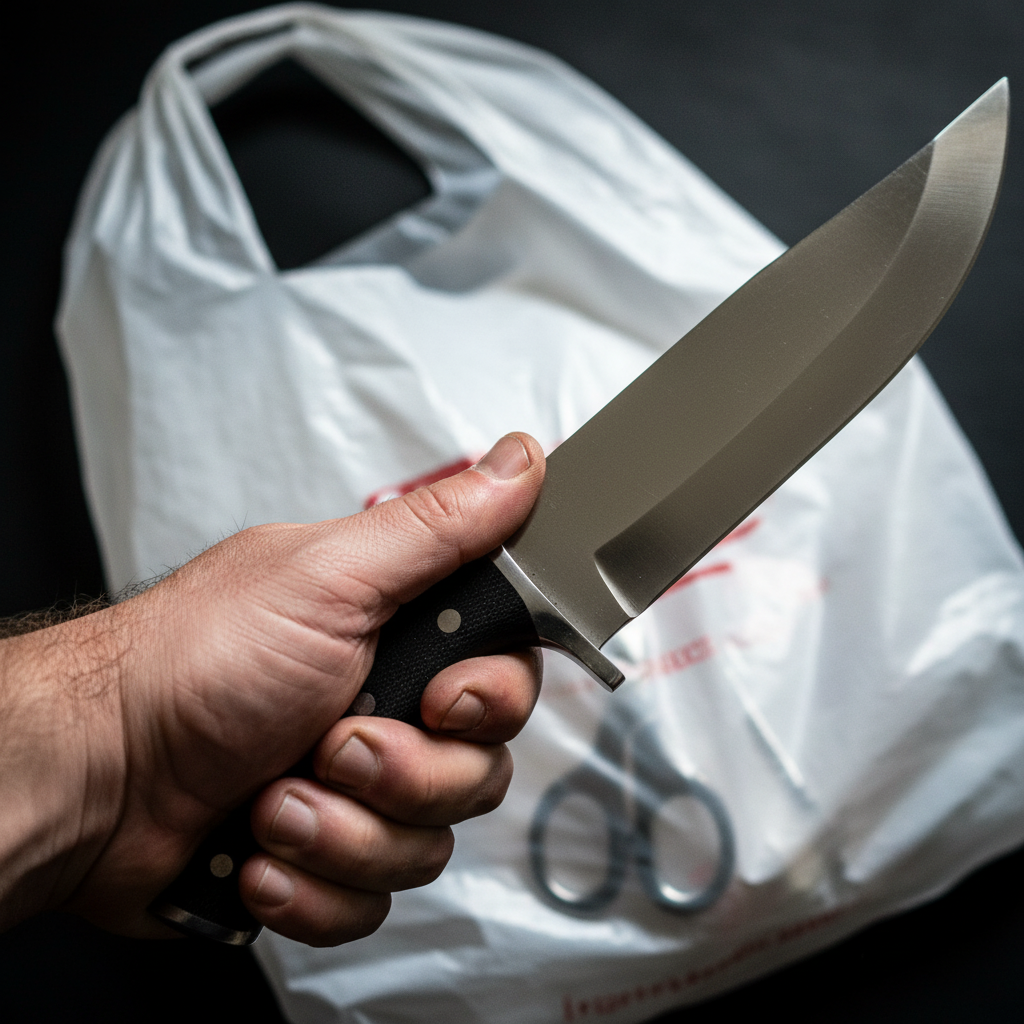
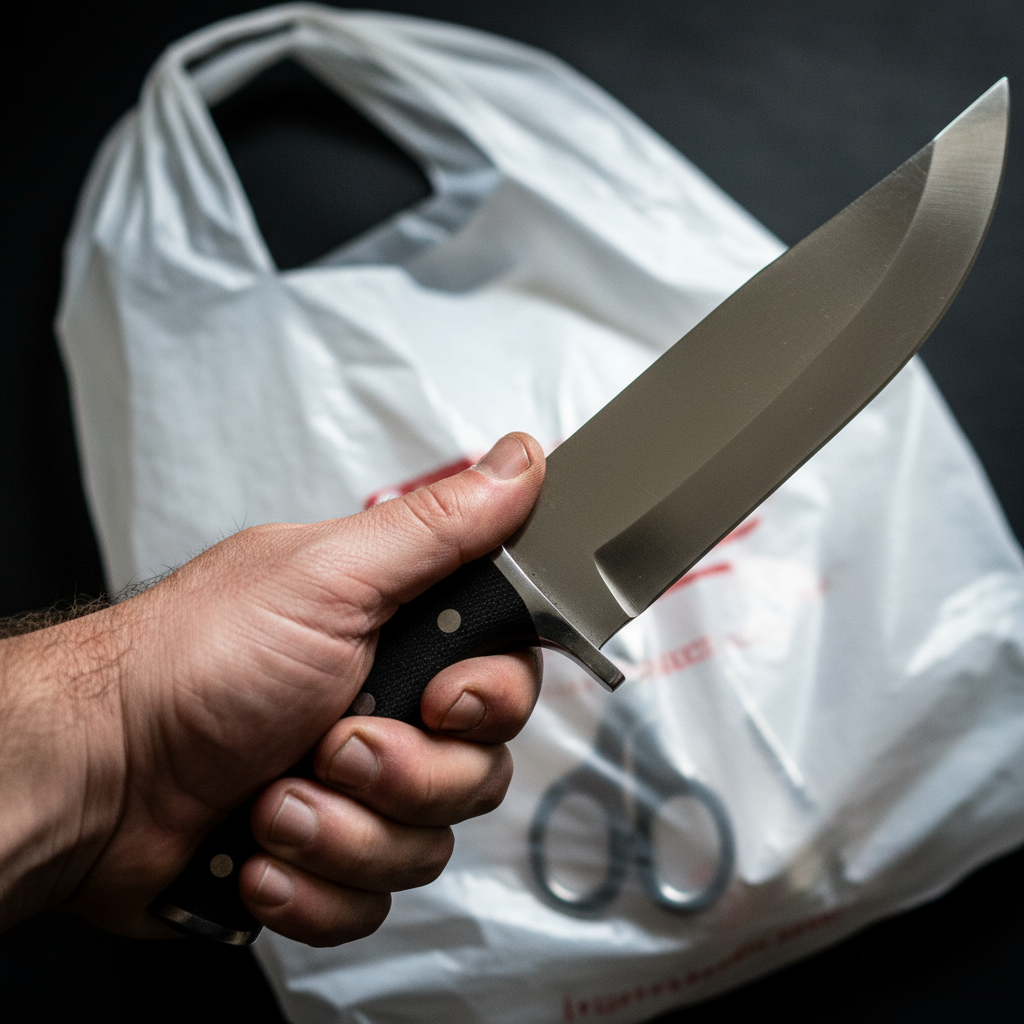
Next came the knife. Large, gleaming, its familiar weight settling into my hand with an unsettling sense of reassurance. A tool of the everyday, now pressed into a role it had never been meant for. I slipped it into a shopping bag I had dragged from the back of a drawer.
I paused, bag in hand, staring down at these ordinary objects.
Scissors. A knife. A shopping bag.
The sheer mundanity of them struck me like a blow. These were the tools I was arming myself with. Not blueprints, not technology, not grand inventions—just scraps from a kitchen, reimagined as instruments of survival. It was almost laughable, if it weren't so terrifying.
What was I doing? What did I actually think I could accomplish with a pair of kitchen scissors and a blade that had spent its entire existence slicing tomatoes and butternut pumpkin?
But the alternative was standing still. And standing still meant drowning in the guilt that already lapped at my ankles, rising higher with every second I wasted.
My next stop was the laundry cupboard.
That narrow, awkward space that smelled faintly of eucalyptus and damp fabric softener. I tugged open the door, its hinges squealing in protest, and crouched low. The cramped shelves were crowded with bottles of detergent, half-empty sprays, and boxes of powder long past their best. My hands pushed past them, digging into the dust-coated jumble at the bottom until my fingers brushed something solid.
There it was.
The toolkit my father had given me years ago.
I pulled it free with both hands, grunting at the unexpected weight as I hoisted it onto the top of the washing machine. The clatter it made seemed far too loud in the silence, as though I'd dragged some relic out of hibernation.
My father had given it to me with quiet pride, his words simple: "You'll need this one day."
I had smiled. Nodded. And then promptly shelved it—both literally and figuratively. Tools weren't my domain. I was the academic, the dreamer, the one who solved problems with ideas rather than implements. Paul had inherited our father's practical nature; I had inherited... something else. The capacity for grand visions and the complete inability to execute them without help.
Only now, under the strangest of circumstances, did its presence regain meaning.
I flipped open the lid and scanned its contents.
The empty slots hit me first. Spaces where the hammer and a handful of other tools should have been. Their absence felt oddly accusatory, a riddle I had neither the time nor the patience to solve. Had I misplaced them? Had Jamie borrowed them for some project I'd forgotten? The questions itched at me, irritatingly insoluble, and the irritation itself felt like a luxury I couldn't afford.
What remained, however, was something.
The screwdriver lay nestled amongst its fittings, most still intact. A small victory gleaming up at me. I wrapped my hand around it, comforted by the solid weight. A screwdriver might seem a meagre weapon against the challenges ahead, but its purpose mattered. After all, you could always drive a nail with a rock if you were desperate, but no amount of brute force could twist a crosshead screw.
The grim smile that crept across my face was both acknowledgement and defiance.
I gathered up my growing collection—the scissors, the knife, the toolkit—all tucked into the flimsy shopping bag. As I straightened, its weight felt absurd in its ordinariness, yet it pulled on me like a reminder. I could not pretend this was play, though it felt like it. I was a child again, collecting tools with all the solemnity of a game, but now the game was dressed in the stakes of survival.
For a moment I stood there in the laundry, breathing in the artificial freshness of fabric softener and the underlying mustiness of an old house, and tried to reconcile the absurdity of what I was doing. Somewhere out there—beyond the walls of this house, beyond the Portal shimmering—two people I loved were stranded in an alien world because I had wanted to share something miraculous with them.
And now I was bringing them a shopping bag full of kitchen implements.
The laugh that escaped me was short, bitter, and entirely without humour.
This was it. This was the grand plan. Luke Smith, inter-dimensional guide and apparent visionary, armed with scissors and a screwdriver, ready to save the day.
I turned back toward the study.
The Portal Key sat where I had left it, waiting on the desk. I picked it up, felt its familiar warmth against my palm, and pressed the button with fingers that no longer trembled.
The wall came alive.
Colours erupted across the plaster, swirling and dancing in patterns that defied description. The Portal shimmered there, restless and alive, its surface twisting like smoke and water intermingled. It beckoned—not as an invitation but as a challenge. Its light was both promise and warning.
My makeshift arsenal hung at my side, rattling faintly with every shift of my weight.
The weight I carried wasn't in the bag. It was responsibility. Guilt. The crushing knowledge that whatever came next, I had brought it upon all of us.
The gateway to Clivilius was waiting.
And there was no avoiding it.
