4338.209 · July 28, 2018 AD
The Opportunity
Still reeling from the night before, Karl is dragged from the wreckage of his hangover by a call that could change everything. As a new case demands his attention, Karl must bury his shame quickly—because opportunity doesn’t wait for sobriety.
“Regret’s a luxury—one you can’t afford when the phone rings and you’re still dripping from last night’s mistakes.”
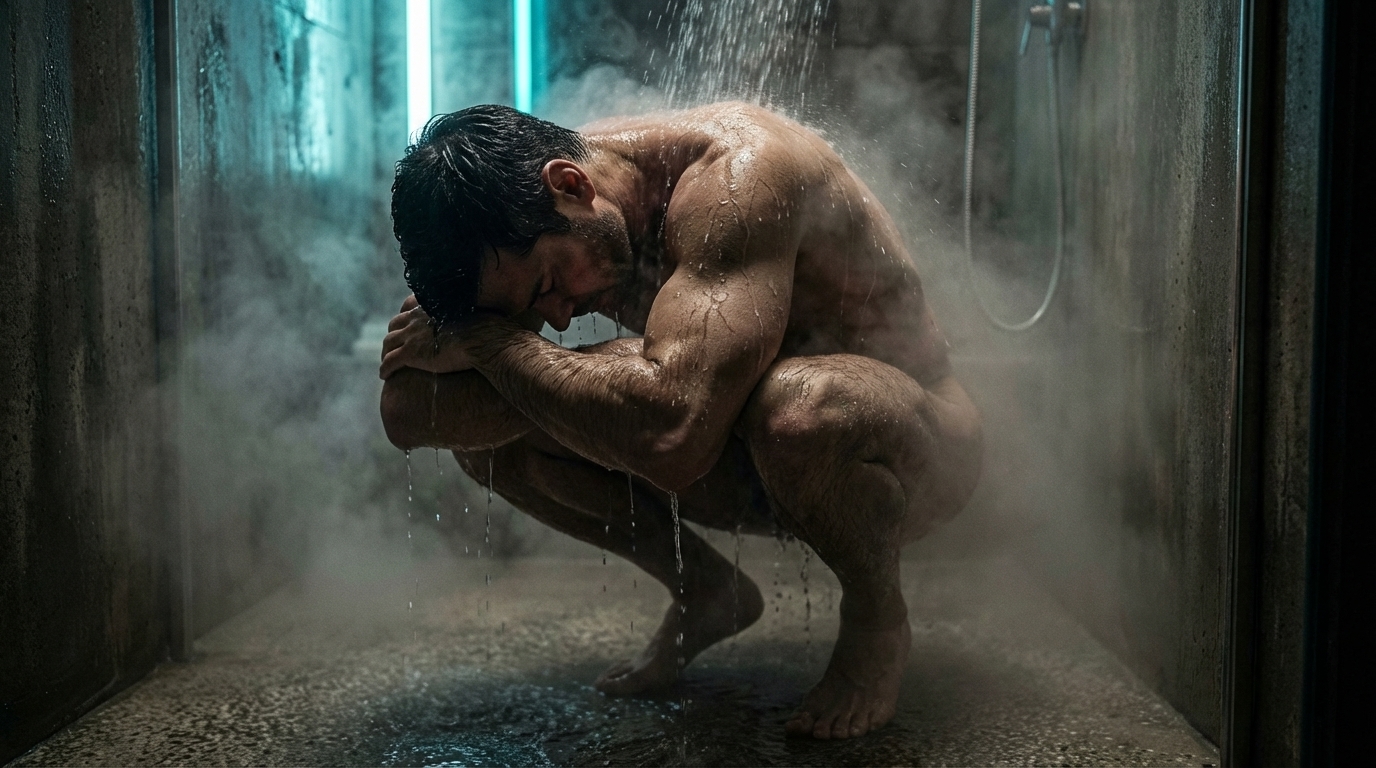
Consciousness didn’t return gently. It slammed back all at once and shattered whatever sanctuary I’d found under. My eyes snapped open. Breath hitched. And before the pain even caught up, I was already cataloguing it: cold, wet, wrong.
For a moment, nothing lined up. The facts wouldn’t assemble into a place or a reason. Where the hell was I? Why was I wet? Why was every inch of me colder than a morgue slab?
Then came the answer: the shower. I’d passed out. In the sodding shower.
Panic scrambled through me. Limbs half-numb, I clawed at the tiles, the surface slick and treacherous beneath my hands. My fingers found the tap and twisted, killing the stream of water that had gone from therapeutic to torturous. What had once been a blessed reprieve had transformed into an icy onslaught, as if Hobart’s merciless winter had crept through the pipes with intent.
"Shit!"
The curse cracked from my throat between chattering teeth. My voice sounded alien—thin, brittle. Unmoored.
I looked down. My hands were pale and pruned, the skin shrivelled and grey, as though they’d aged decades in a single sitting. I followed the visual trail south and winced at the state of a particular appendage, now reduced to a rather pitiful monument to hypothermia. Even in this state, some part of me—the part not entirely ravaged by nausea and shame—still flinched at the indignity.
Surely I haven’t been in here that long!
It was a ridiculous thing to care about, but vanity has a way of asserting itself even through pain and confusion. Time had come apart somewhere between waking and blackout. I couldn’t put a number on how long I’d been under—and the not-knowing unsettled me more than the cold did. I’d drifted too far, for too long.
Standing felt like a dare. Every muscle stiffened in protest, my body more corpse than man. But I pushed through the fog, rising slowly and without ceremony, one trembling leg at a time. I stumbled from the shower, my hand reaching instinctively for the towel rack.
Nothing.
The usual precision of my bathroom—everything in its place, everything accounted for—was absent. Like the rest of my life, apparently.
"Jargus, I need a towel!"
The command rang out with an edge of clarity that startled even me. For a brief moment, it was as if muscle memory had overridden disaster, drawing on the calm and control that once defined me in interrogation rooms and standoff negotiations. It was the voice of the old Karl—the reliable one. The version before everything blurred at the edges.
Water dripped from me in steady rhythm, collecting in expanding puddles on the tiles. I stood there—naked, shivering, and somehow still proud—awaiting a miracle.
Sixty seconds. I counted. Somewhere, beneath all the chaos, I was still capable of measuring time.
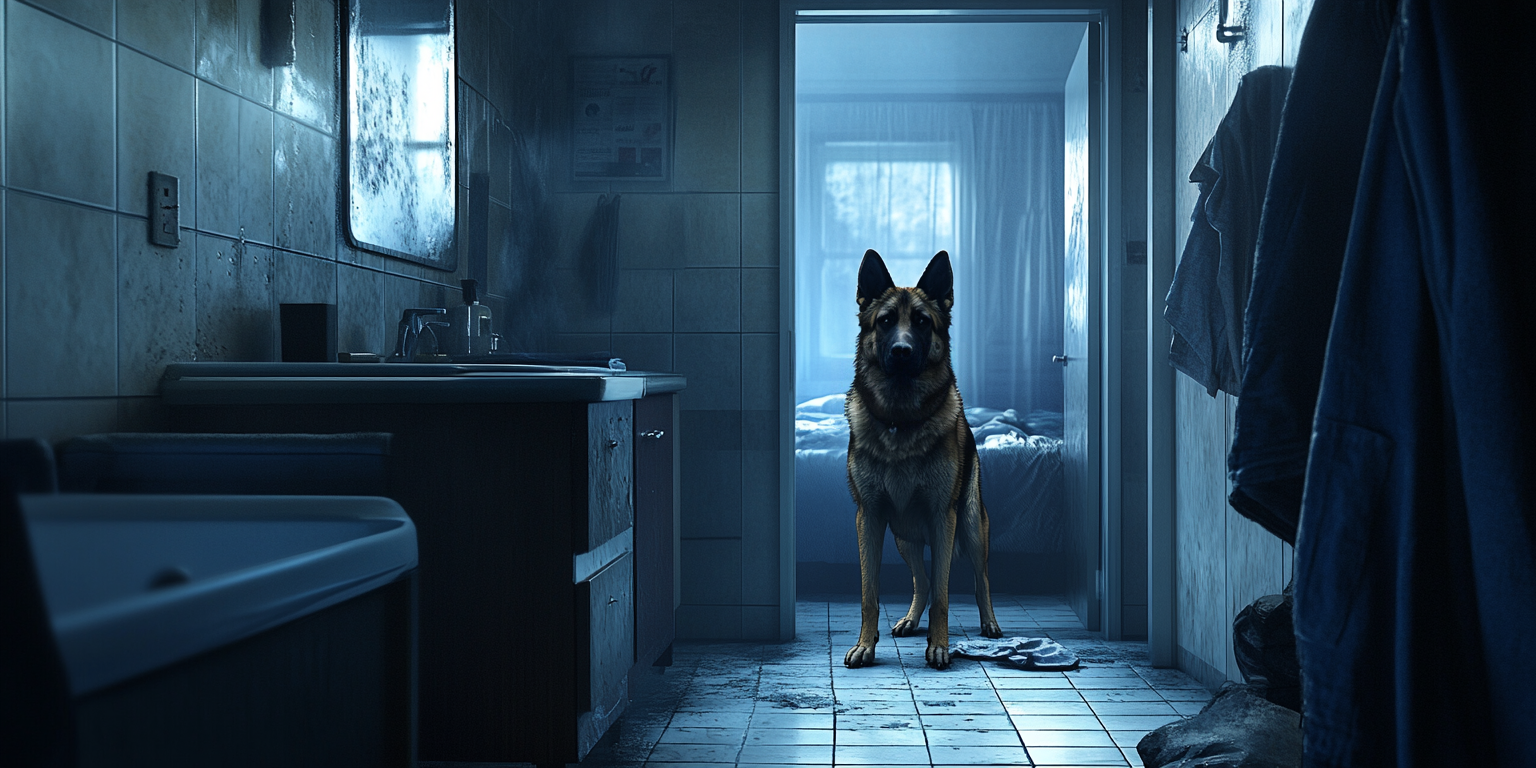
Sure enough, Jargus appeared in the doorway with professional punctuality. The sight might’ve drawn laughter if my teeth hadn’t been rattling in my skull.
There he was—my partner, my shadow—standing with a neatly folded grey towel clutched delicately between his teeth, like a sommelier presenting a 1998 pinot noir. The absurdity of it hit me square in the chest. A highly decorated police dog, trained in search and rescue, scent tracking, suspect apprehension… and towel delivery.
"Thank you, Jargus," I murmured, voice softened now, stripped of bravado.
I took the towel from his mouth and, for a moment, we just stared at one another. His amber eyes were penetrating in their assessment, clinical almost. That look—intelligent, alert, vaguely disapproving—was one I’d come to both respect and resent. In those eyes, I saw more than concern. I saw the weight of judgement. He didn’t need to say it. The sentiment was carved into the tilt of his head, the slow blink, the patient stillness. You’ve done it again, haven’t you?
A reluctant smile curled at the edge of my mouth. It felt foreign. Fragile.
I began to dry myself with urgency, friction translating to warmth. The towel rasped over my skin, bringing blood back to the surface, chasing away the cold but dragging the nausea with it. Each stroke felt like an affront to my stomach. A warning. The next wave was already building—waiting for a lapse in concentration to crash down.
But I didn’t stop. Couldn’t stop. This wasn’t about comfort anymore—it was about survival.
Every motion felt like a negotiation. Each breath came with strings attached. But beneath it all, beneath the hangover, the cold, the humiliation, one thought returned with brutal clarity:
Something’s wrong.
It lingered behind my eyes, in the corners of the room, in the fragments of memory I couldn’t stitch together. Something I’d taken in without booking. A lead with no shape yet.
And I knew, the way you know a case is about to turn, that when it surfaced it wouldn’t come quietly.
The distinctive ring of my mobile sliced through the flat like a scalpel—sharp, jarring, and surgically precise. That tone—reserved exclusively for work—was Pavlovian in its effect. No matter the hour, no matter my state, it set my pulse racing. Even now, half-dead and wholly disgraced, my body responded to the sound with the urgency of a soldier roused by gunfire.
"Shit."
Gone was any remaining pretence of dignity. I bolted from the bathroom stark naked, trailing wet footprints like some amphibious cryptid freshly emerged from the depths of Hobart’s harbour. The flat's cold air slammed into my damp skin, raising gooseflesh as I stumbled into the bedroom, scanning the chaos.
Miraculously, Drunk Karl had managed one redeeming act—placing the phone visibly on the bedside table rather than letting it disappear into the black hole beneath the bed or hiding it in a trouser pocket halfway to the laundry. A rare glimmer of foresight from a man usually guided by impulse and poor decisions.
I lunged, catching the call just as the final ring began to fade. My fingers left a slick smear across the screen as I brought the phone to my ear.
"Yeah."
The word emerged hoarse, cracked—barely human. My vocal cords, still raw from last night’s abuse and this morning’s biological revolt, struggled to comply. I tried to inject a thread of professionalism into that single syllable. It fell flat, shrouded in rasp and ruin. The room did a lazy tilt around me. I braced one hand against the bedside table to steady the spin.
"Where the hell are you, Karl?"
Sarah’s voice burst through the speaker—clipped, sharp, and tight with contained panic. Under normal conditions, Detective Sarah Lahey was the epitome of calculated composure, her demeanour cool enough to put forensic chillers to shame. But not this morning. That tension, buried just beneath the surface, set alarm bells ringing louder than any ringtone.
"I'm still at home. The alarm didn’t go off," I replied.
It was a lie. A smooth one, honed through years of necessity—but even to my own ears, it sounded feeble. Slurred at the edges. Pathetic. I knew the game—I’d run it on enough suspects—and I was fumbling it all the same.
"Bullshit. I know you went out with the boys last night."
There it was. No room for ambiguity. She knew. And worse—she cared. Not the dispassionate disdain of a colleague, but the quiet betrayal of someone who’d started to believe I might finally get my act together. Her voice cut clean through the layers of denial I’d been wearing like armour.
I closed my eyes and let out a long, gravelly sigh, pinching the bridge of my nose. The gesture was automatic, habitual—a futile attempt to press the shame back into hiding. I had imagined today differently. My first morning as Senior Detective Karl Jenkins. A new title. A fresh start. Instead, I was barely upright, breath still tainted with last night’s rot, surrounded by evidence of a celebration that had already turned sour.
"What is it, Sarah?"
Focus. I needed to focus. The room hadn’t stopped moving. My stomach was a riot of churning acid and remorse. But beneath all that noise, the faint hum of duty still pulsed. I needed to find it. I needed to be it.
"You need to get your ass down to the station right now."
Her voice had that unmistakable authority—the tone that killed arguments before they were born. She wasn't asking. She was mobilising.
"Can’t it wait until later?" I groaned.
The plea slipped out before I could catch it. It sounded weaker than I intended—childish, almost. But the idea of braving Hobart’s bitter streets, of facing my colleagues’ glances under the interrogation glare of office fluorescents, felt... impossible.
"No, Karl. It can't. This could be your big case."
The words landed like a verdict. The fog in my head didn’t lift, but it thinned—enough for something sharp to slip through. That old, familiar stir. The first pulse of adrenaline, just enough to kickstart the machine. The ambition I’d carried like a secret weapon. The hunger for the case—the right case—the one that made or broke careers.
I paused, letting her words settle. Sarah wouldn’t say it if it weren’t true. Something serious had happened. Serious enough to override my hangover, to summon me from the dregs of my worst self. The kind of case that changed trajectories. Or ended them.
"Fine. I’ll be there in half an hour," I said.
It was more than a promise. It was a self-imposed order. A spoken contract. By saying it aloud, I’d bound myself to action—because the man she’d called needed to be Karl Jenkins, Senior Detective. Not this half-dressed, barely functioning mess swaying in the middle of his bedroom.
I ended the call and stood still for a moment, phone clenched in one hand, breath fogging in the cool morning air.
Reality closed in.
The sheets behind me still lay tangled, holding secrets I couldn’t name. The condom—still unexplained—rested like an accusation on the floor. Evidence of someone. Something. The clothes strewn across the room whispered of abandon, of celebration gone wrong.
And yet... opportunity had knocked anyway. Fate, it seemed, was not waiting for me to be at my best. It had come regardless, dressed in the cold voice of Detective Sarah Lahey.
A new case. A big one.
I drew a breath—slow, painful—and reached for my clothes.
No more stalling.
Hobart was waking, wrapped in its winter gloom. Somewhere out there in the grey streets, a scene was already waiting—taped off or not yet found. And it wouldn’t wait for me to shake off the last remnants of regret.
Time to get dressed.
Time to become him again.
Detective Karl Jenkins.
