Richard Emil Carmichael
Dr Richard Emil Carmichael represents the intersection of cutting-edge paediatric neurology and compassionate medical practice. Born in Bristol in 1977, his distinguished career spans two continents, marked by innovative approaches to childhood neurological mysteries and an unwavering commitment to understanding the inexplicable. Relocating to Tasmania's Hobart Paediatric Centre in 2013, he has become an essential fixture in the state's medical community, renowned for confronting cases where science meets the unknown.
Bristol Beginnings and Early Foundations
Richard Emil Carmichael entered the world on 12th April 1977 at Southmead Hospital in Bristol, England, the only child of Edith Carmichael (née Fitzroy) and Charles Carmichael. The city itself—with its maritime heritage, Georgian terraces, and progressive intellectual tradition—would prove a fitting birthplace for someone whose career would eventually bridge old world scientific rigour with new world mysteries. Bristol's history of producing thoughtful explorers and innovators, from colonial judges to environmental scientists, found quiet continuation in young Richard, though his frontier would be the developing human mind rather than uncharted territories.
His mother, Edith, held a position as a literature professor at the University of Bristol, specialising in modernist fiction and the philosophical questions embedded within Conrad, Joyce, and Camus. The Carmichael household was one where ideas mattered deeply, where dinner conversations might range from chemical reactions to existential philosophy without missing a beat. Edith brought an intellectual curiosity and emotional depth to the family that valued questions as much as answers, encouraging Richard to think beyond surface explanations and consider the deeper patterns underlying apparent randomness.
Charles Carmichael, his father, worked as a chemical engineer for a firm specialising in pharmaceutical manufacturing. Methodical, precise, and deeply analytical, Charles approached the world as a series of discoverable patterns and predictable reactions. Where molecules behaved according to immutable laws, Charles found comfort and certainty. His influence on Richard would prove profound—that same systematic approach, that belief in underlying order beneath apparent chaos, would later characterise Richard's medical practice, though applied to the far more complex chemistry of developing brains.
The family home in Somerset's rolling countryside, a converted farmhouse outside Bristol, provided Richard with a childhood steeped in both natural beauty and intellectual stimulation. Long walks through fields and woodlands fostered an appreciation for living systems and their intricate interconnections. Edith would point out how nature appeared in literature—pastoral scenes in Hardy, the symbolic forests of fairy tales—whilst Charles might explain the biochemical processes enabling plant growth. This dual perspective, seeing phenomena through both humanistic and scientific lenses simultaneously, became Richard's natural mode of perception.
From an early age, Richard exhibited the kind of focused curiosity that marked him as academically gifted. He wasn't merely bright—he possessed an unusual ability to sustain concentration on complex problems, working through difficulties with patient determination rather than frustration. His parents noticed how he approached puzzles: methodically testing possibilities, remembering what failed, adjusting strategy accordingly. This wasn't typical childhood play but something more deliberate, more analytical. Biology particularly fascinated him—the elegant complexity of living systems, the way organs and cells functioned in concert, the mysterious processes by which consciousness emerged from physical matter.
Academic Excellence and Medical Calling
Richard's enrolment at Queen Elizabeth's Hospital, an independent school in Bristol with a history stretching back to 1590, placed him amongst academically ambitious peers in an institution known for producing physicians, scientists, and scholars. The school's emphasis on both intellectual rigour and character development suited Richard perfectly. He excelled particularly in the sciences—biology, chemistry, and physics—but his teachers noted something beyond mere academic ability. Richard possessed an unusual capacity for integrating knowledge across disciplines, seeing connections between seemingly disparate concepts, and applying theoretical understanding to practical problems.
His A-level years, from 1993 to 1995, coincided with significant advances in neuroscience and medical imaging technology. The emerging field of brain mapping, the growing understanding of neuroplasticity, the recognition that childhood brain development involved far more complexity than previously understood—all of this captured Richard's imagination during his final years of secondary education. His biology teacher, Dr Margaret Thornton, later recalled: "Richard approached the human body not as a collection of separate systems but as an integrated whole where psychology, neurology, and physiology influenced each other constantly. That holistic perspective was unusual in a seventeen-year-old."
The decision to pursue medicine at King's College London felt inevitable to everyone who knew Richard. King's, with its distinguished medical school and location in the heart of London, offered access to leading researchers and clinical opportunities unavailable elsewhere. Richard matriculated in 1995, joining a cohort of ambitious students who would shape the next generation of British medicine. The six-year medicine programme demanded both intellectual mastery and emotional resilience—students who couldn't handle the pressure typically left within the first year. Richard not only survived but flourished.
During his preclinical years, studying anatomy, physiology, and biochemistry, Richard discovered his particular fascination with neurology. The brain—three pounds of tissue generating consciousness, personality, memory, and thought—represented the ultimate biological mystery. How did neurons firing in patterns produce subjective experience? Why did identical pathologies sometimes produce wildly different symptoms? What explained cases where patients recovered function that medical knowledge said should be permanently lost? These questions obsessed Richard in ways that other medical specialities didn't.
His clinical rotations during the later years of medical school, beginning in 1998, exposed Richard to real patients in hospital wards. Whilst many students found paediatrics emotionally difficult—dealing with sick children tested even the most hardened medical professionals—Richard felt drawn to it. Children's brains, still developing and therefore more plastic than adult brains, presented unique diagnostic challenges and therapeutic possibilities. A child presenting with neurological symptoms might be experiencing anything from a straightforward infection to a rare genetic disorder, requiring careful observation and systematic elimination of possibilities. Richard found this investigative aspect deeply satisfying.
His intercalated BSc in neuroscience, completed during 1999–2000, allowed Richard to conduct research examining how childhood trauma affected neurological development. Working under Professor David Harrison at King's Institute of Psychiatry, Richard contributed to studies examining stress hormone effects on hippocampal development in children who had experienced significant early-life adversity. The research required painstaking data analysis and careful interpretation, skills that would serve Richard throughout his career. More importantly, it introduced him to the concept that psychological experiences produced measurable neurological changes—mind and brain weren't separate but deeply interconnected.
Graduating with first-class honours in 2001, Richard had distinguished himself not merely through academic excellence but through demonstrated ability to think creatively about complex problems. His professors noted in references that Dr Carmichael possessed "an unusual combination of analytical rigour and intuitive insight, capable of seeing patterns others missed whilst maintaining scientific discipline." These qualities would define his career.
Clinical Training and Mentorship Under Dr Rivington
Richard's clinical training at the Royal Free Hospital in London, beginning in 2001, immersed him in the demanding reality of hospital medicine. The Royal Free, with its history of medical innovation and research excellence, provided an environment where ambitious young physicians could develop their skills under expert supervision. Richard worked punishing hours—shifts stretching sixteen hours were common, exhaustion was constant, and the emotional weight of dealing with seriously ill patients tested his resolve daily.
His neurology rotation, beginning in early 2002, introduced Richard to Dr Alan Rivington, a senior consultant specialising in paediatric neurological disorders. Rivington, then in his early fifties, had built his reputation on willingness to take on cases other physicians found too complex or ambiguous. Children presenting with unexplained seizures, mysterious developmental delays, or behavioural changes that defied standard diagnoses—these became Rivington's speciality. He approached such cases with methodical patience, ruling out possibilities systematically whilst remaining open to unusual explanations.
Rivington recognised in Richard a kindred spirit—someone who didn't merely want to apply established protocols but to genuinely understand what was happening in each unique patient. Their collaboration began with Richard assisting on Rivington's cases, gradually taking on more responsibility as Rivington assessed Richard's capabilities. The mentorship extended beyond clinical skills to philosophy of medical practice. Rivington believed that medicine, particularly paediatric neurology, required humility—an acknowledgement that current medical knowledge was incomplete, that physicians must sometimes admit uncertainty rather than forcing ambiguous cases into convenient diagnostic categories.
Together, they co-authored several papers examining the neurological effects of developmental trauma and unexplained paediatric phenomena. One study, published in the British Journal of Paediatric Neurology in 2004, examined cases where children developed sudden-onset neurological symptoms following emotional trauma but showed no organic pathology on standard imaging. The research challenged conventional boundaries between neurology and psychiatry, suggesting that psychological experiences could produce symptoms as "real" as any structural brain lesion, even if mechanism remained unclear.
The mentorship deepened Richard's commitment to paediatric neurology as a speciality. Rivington demonstrated that it was possible to maintain scientific rigour whilst acknowledging medical limitations, to be both methodical and open-minded, to treat patients with genuine compassion without losing analytical objectivity. These lessons would guide Richard throughout his career, particularly when confronting cases that tested the boundaries of medical understanding.
By 2006, Richard had completed the required clinical training and passed his membership exams for the Royal College of Physicians. He was now officially Dr Richard Carmichael, MRCP, qualified to practise as a specialist registrar in neurology. But Rivington encouraged him to seek additional specialised training abroad, arguing that exposure to different medical systems and approaches would enhance his development as a physician. The Commonwealth Medical Fellowship programme offered exactly such opportunities.
Australian Fellowship and International Experience
The Commonwealth Medical Fellowship that brought Richard to the University of Sydney in 2006 represented both professional advancement and personal adventure. Sydney, with its world-class medical research facilities and multicultural population, offered clinical exposure impossible in Britain's more homogeneous patient base. The fellowship, funded by the Commonwealth Scholarship Commission, provided two years of specialised training in paediatric neurology under internationally recognised experts.
Dr Elena Petrov, Richard's principal mentor during the fellowship, approached paediatric neurology from a perspective different from Rivington's. Where Rivington emphasised methodical elimination of possibilities, Petrov advocated for more intuitive pattern recognition, arguing that experienced clinicians developed instincts that preceded conscious analysis. "Trust what troubles you," she would tell Richard during case discussions. "If something feels wrong about a diagnosis, even if you can't articulate why, pay attention to that discomfort. Your unconscious mind is processing information your conscious mind hasn't yet integrated."
Petrov's speciality involved particularly enigmatic cases—children presenting with severe behavioural disturbances, profound sleep disorders, or inexplicable developmental regressions where standard medical workup revealed nothing definitive. She had developed unconventional assessment methods, spending hours observing patients in different contexts rather than relying solely on office examinations. Richard found this approach both fascinating and unsettling. It challenged the algorithmic diagnostic process he'd been trained to follow, yet Petrov achieved remarkable results with patients others had declared hopeless.
Their collaboration focused primarily on paediatric sleep disorders and the neurological roots of severe childhood behavioural issues. One research project examined children who experienced intense, terrifying nightmares accompanied by physical symptoms—night sweats, unexplained bruising, exhaustion that sleep didn't resolve. Conventional medical wisdom categorised these as primarily psychological issues, perhaps trauma-related, requiring psychiatric rather than neurological intervention. But Petrov suspected underlying neurological anomalies that standard testing couldn't detect, arguing that the boundary between neurology and psychiatry was far more porous than medical education suggested.
Richard's contributions to this research involved developing more sensitive assessment protocols and conducting detailed longitudinal studies tracking patients over months. The work required patience—many children took weeks or months to show clear patterns—and willingness to consider explanations that stretched conventional neurological frameworks. They published multiple studies examining the intersection of sleep neurology, trauma processing, and behavioural disturbances in children, work that earned recognition within paediatric neurology circles for its innovative approach.
Sydney itself, with its stunning harbour, diverse population, and laid-back culture, represented a dramatic contrast to London's intensity. Richard found himself adapting to Australian informality, the different rhythms of hospital life, the particular challenges of practising medicine in a country where indigenous populations experienced health disparities requiring cultural sensitivity alongside clinical expertise. The experience broadened his perspective beyond purely technical medical skills, teaching him how cultural context shaped illness presentation and treatment acceptance.
During his fellowship, Richard also met Dr Claire Haldane, a neuropsychiatrist completing her own specialised training at Royal Prince Alfred Hospital. Claire's research focused on the neuropsychiatry of dissociative disorders—cases where patients experienced disruptions in consciousness, memory, or identity that couldn't be explained by conventional neurological disease. Their initial meeting at a conference on paediatric neuropsychiatry in Melbourne in 2007 led to a friendship based on shared intellectual interests and similar approaches to medicine's grey areas. Both recognised that the rigid boundaries between medical specialities often obscured rather than clarified complex presentations. Their relationship developed slowly, built on mutual respect and countless conversations about the mysteries they encountered in their respective practices.
By 2008, when Richard's fellowship concluded, he had transformed from a promising British-trained neurologist into someone with genuinely international experience and perspective. Petrov's influence had taught him to trust clinical intuition alongside algorithmic diagnosis, to remain open to possibilities beyond current medical frameworks, and to approach each patient as a unique mystery requiring individual attention rather than merely another instance of a known category. Combined with Rivington's earlier mentorship emphasising methodical investigation, Richard now possessed an unusual toolkit for addressing paediatric neurological challenges.
Establishing Clinical Expertise in London
Richard's return to Britain in 2008 and appointment as consultant paediatric neurologist at St George's Hospital in London marked his arrival as a fully-fledged specialist. St George's, one of London's major teaching hospitals with a busy paediatrics department, handled significant caseload including complex referrals from across southern England. The position offered Richard both challenging clinical work and opportunities to teach medical students and junior doctors, passing on the integrated approach to paediatric neurology he had developed through training with Rivington and Petrov.
His consulting rooms at St George's quickly became known for taking on cases other physicians found too ambiguous or complex. Parents whose children had been through multiple specialists without satisfactory diagnosis found their way to Dr Carmichael. He developed a reputation for thoroughness—initial consultations might last ninety minutes or longer as he took detailed histories, observed the child carefully, and listened to parental concerns that other physicians had dismissed as anxiety or overreaction. This approach was time-intensive and didn't maximise patient throughput for hospital efficiency metrics, but it produced results where standardised protocols failed.
Richard's methodology combined Rivington's systematic investigation with Petrov's intuitive pattern recognition. He would order comprehensive testing whilst simultaneously paying attention to subtle presentations that didn't fit standard diagnostic categories. A child might arrive with a diagnosis of psychosomatic symptoms, but Richard might notice eye movement patterns suggesting subtle seizure activity, or observe behavioural fluctuations correlating with environmental factors that parents had mentioned but previous doctors hadn't explored.
His marriage to Claire Haldane in 2009, a quiet ceremony attended by family and close friends, brought together two physicians who understood the emotional demands and intellectual challenges of their respective specialities. Claire, now an established neuropsychiatrist working at the Maudsley Hospital, complemented Richard's neurology expertise with her understanding of how psychological trauma manifested in neurological symptoms. Their home in Dulwich became a sanctuary where they could discuss difficult cases, challenge each other's assumptions, and decompress from the weight of dealing with suffering children and desperate families.
The birth of their daughter Beatrice in 2012 shifted Richard's perspective on paediatric practice. Holding his own child, observing her development, experiencing the profound vulnerability of parenthood—all of this deepened his empathy for the families he treated. He understood more viscerally now what it meant when parents said they "just knew" something was wrong with their child, even when tests showed nothing definitive. He recognised the terror of watching a child deteriorate without clear explanation, the desperate search for any physician who might offer answers.
During his tenure at St George's, Richard published numerous case studies and research papers examining unusual paediatric neurological presentations. One particularly notable publication in 2011 examined a cluster of children presenting with sudden-onset behavioural changes, sleep disturbances, and unexplained physical symptoms following what parents described as "subtle personality shifts." The cases defied conventional diagnostic categories—not clearly seizure disorders, not fitting standard psychiatric classifications, yet producing significant impairment. Richard's paper argued for new diagnostic frameworks acknowledging that current medical knowledge might be missing entire categories of paediatric neurological phenomena.
By 2013, Richard had established himself amongst Britain's leading paediatric neurologists, particularly for complex and ambiguous cases. Yet the demanding pace of London hospital medicine, combined with increasingly bureaucratic healthcare administration, left him feeling that patient care was being sacrificed to efficiency metrics. The birth of his son Thomas in March 2015 intensified his desire for a practice allowing more time with individual patients and his own family. When an opportunity arose in Tasmania, Australia, Richard made a decision that surprised many colleagues but felt absolutely right to him.
The Tasmanian Chapter and Hobart Paediatric Centre
Richard's relocation to Tasmania in 2013, accepting a consultant position at the Hobart Paediatric Centre, represented a deliberate choice to prioritise quality of practice over prestige of position. The Centre, serving Tasmania's relatively small population, offered something increasingly rare in modern medicine—the possibility of truly knowing patients and their families over time, of practising medicine in a context where relationships mattered as much as technical expertise. For Claire, the move required significant professional sacrifice; she took a career break to focus on their young family whilst they established themselves in this remote corner of the world. Yet both agreed that quality of life and work satisfaction mattered more than career advancement measured in conventional terms.
The Hobart Paediatric Centre had served Tasmania's children since the post-war era, evolving from a modest facility into the state's principal provider of specialised paediatric assessment and psychiatric care. By 2013, when Richard arrived, the Centre occupied an institutional building whose architecture spoke to multiple decades of expansion and renovation. Beige corridors, fluorescent lighting, and that particular smell of hospital disinfectant mixed with anxiety—the environment was utilitarian rather than welcoming, and chronic underfunding showed in outdated equipment and insufficient staffing. Yet the medical professionals working there were dedicated, and the intimate scale of Tasmanian medicine meant that physicians could develop genuine expertise in their community's particular needs.
Richard's appointment filled a critical gap. Tasmania had long struggled to attract and retain specialist physicians, particularly in paediatric subspecialties. Parents often faced the choice between accepting limited local expertise or travelling to Melbourne for assessment, an expensive and stressful option for families already dealing with medical challenges. Richard's credentials—British-trained, internationally experienced, with publications and reputation for handling complex cases—made him instantly valuable. That he chose Hobart when he could have had prestigious positions in Melbourne or Sydney suggested commitment beyond merely taking a job.
He established his practice with deliberate intention regarding time allocation. Where London hospital administration pushed for fifteen-minute appointment slots, Richard insisted on booking initial consultations for ninety minutes and follow-ups for at least forty-five minutes. This wasn't efficient by bureaucratic metrics, but it allowed proper investigation of complex cases. He could take thorough histories, observe children in relatively relaxed contexts, and build trusting relationships with families who often arrived anxious and defensive after experiencing dismissive treatment from previous providers.
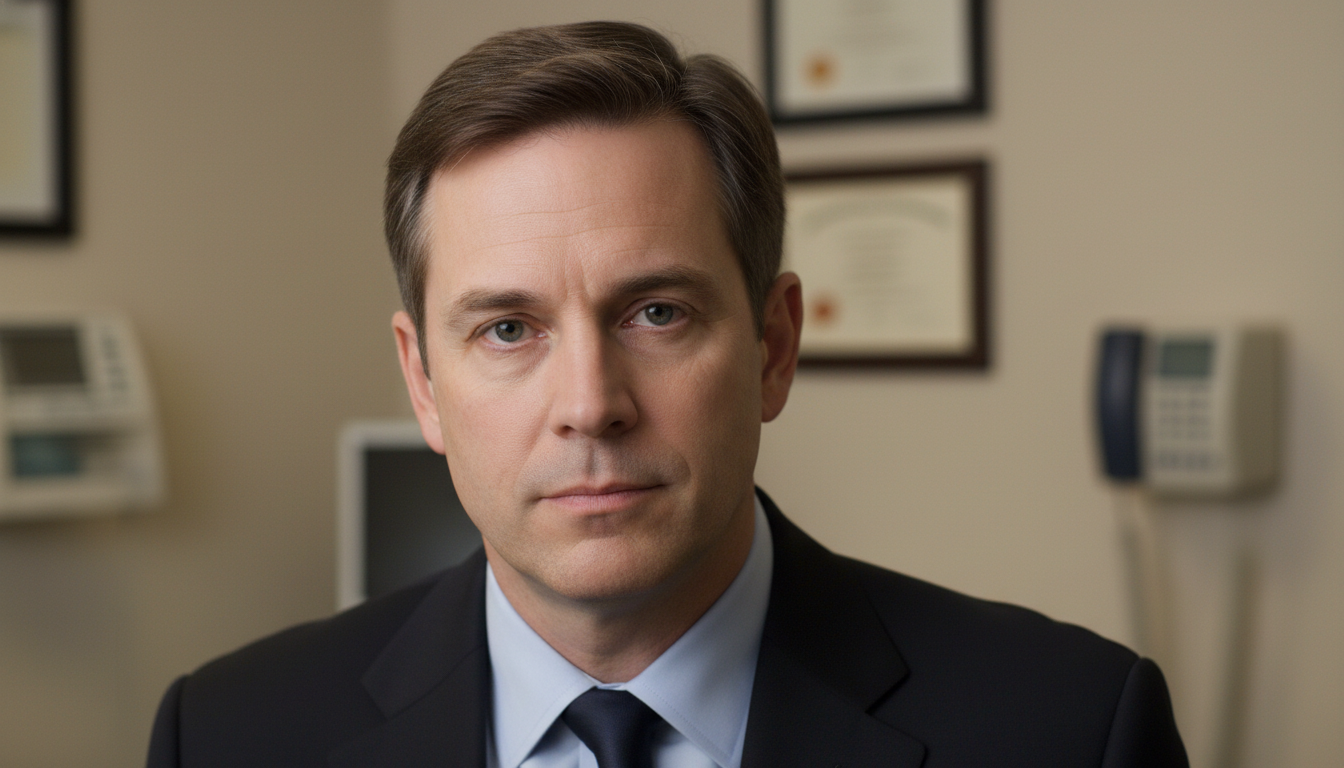
His office at the Centre, a modest room with a desk, examination table, and shelves of medical texts and preserved anatomical specimens, became a space where desperation often encountered competence. Parents who had exhausted other options, whose children presented with symptoms that baffled or frightened them, would sit across from this quietly confident British physician whose calm demeanour and careful questions suggested that their concerns would be taken seriously. Richard's approach combined thoroughness with humility—he would order comprehensive testing whilst acknowledging that medical science had limitations, that some conditions remained poorly understood, that sometimes the most honest answer was "I don't know yet, but I will keep investigating."
The restored 19th-century house outside Hobart where the Carmichael family made their home provided sanctuary from the demanding nature of Richard's work. Situated in bushland with views toward Mount Wellington, the property offered space for Beatrice and Thomas to explore nature, for family hikes through Tasmania's wilderness, and for the quiet evenings Richard needed to decompress from difficult cases. Claire, adapting to life as a trailing spouse whilst managing young children, found satisfaction in volunteer work with mental health organisations and gradually began consulting part-time for cases involving complex neuropsychiatric presentations.
Richard's personal interests, cultivated since childhood, provided essential balance to the intensity of his medical practice. Chess, which he had played competitively during university, remained a passion. The strategic thinking required, the need to visualise multiple moves ahead whilst remaining adaptable to opponents' unexpected responses, paralleled clinical reasoning in satisfying ways. Hobart's chess club welcomed this skilled player, and Richard found that the weekly games provided both mental stimulation and social connection outside medical circles.
His love of classical music, inherited from his mother's cultural interests, found outlet in regular attendance at Hobart's Federation Concert Hall. The small size of Tasmania's classical music community meant Richard and Claire became recognisable patrons, and the concerts offered respite from medicine's constant problem-solving. Sitting in darkness whilst Beethoven's complexity washed over him, Richard could let his analytical mind rest, experiencing rather than dissecting.
Literature remained a lifelong companion. The works that had filled his mother's shelves in Bristol—Conrad's meditations on darkness and civilization, Joyce's stream-of-consciousness explorations, Camus's philosophical examinations of meaning and absurdity—provided intellectual companionship. Richard found that rereading these texts at different life stages revealed new layers of meaning. Passages that seemed abstract in his twenties resonated differently in his forties, after years of confronting human suffering and medical limitations. The existential questions these authors grappled with felt increasingly relevant to his work, where he regularly encountered mysteries that defied rational explanation.
The Practice of Medical Mystery
Richard's reputation in Tasmania grew steadily as word spread about this neurologist who took difficult cases seriously and achieved results where others had failed. Referrals came from general practitioners across the state, from hospital emergency departments that had admitted children with puzzling symptoms, and increasingly from families who had heard about Dr Carmichael through support groups and parent networks. Each case brought its own challenges, but certain presentations became recognisable patterns.
Children experiencing sudden behavioural changes without clear precipitating cause—previously well-adjusted youngsters becoming aggressive, withdrawn, or bizarrely altered in ways that distressed parents couldn't explain—formed one recurring category. Standard psychiatric and neurological workup typically showed nothing definitive: normal brain imaging, unremarkable EEGs, blood tests within normal ranges. Yet clearly, something had changed profoundly. Richard approached these cases with patience, often conducting multiple observations over weeks or months, looking for patterns in when symptoms intensified or remitted, exploring environmental factors, family dynamics, and physical health indicators simultaneously.
Sleep disturbances represented another significant category. Not merely the common childhood sleep problems like difficulty falling asleep or nightmares, but profound disruptions—children who seemed terrified to sleep, who woke screaming with accounts of experiences that felt more real than ordinary dreams, who displayed physical symptoms like unexplained bruising, exhaustion that sleep didn't relieve, or somnambulism with injuries resulting from nocturnal wandering. These cases particularly troubled Richard because they occupied the uncomfortable boundary between neurology, psychiatry, and phenomena that neither discipline adequately explained.
What distinguished Richard's approach was his willingness to continue investigating when standard protocols yielded nothing definitive, and his refusal to dismiss cases as "just psychological" when that diagnosis served more to protect physicians from uncertainty than to accurately describe the phenomenon. He had learned from Petrov that some of the most interesting cases were precisely those that didn't fit established categories, suggesting either rare conditions or potentially new presentations that medical literature hadn't yet characterised.
The case of Sammy Triffett, which began coming to Richard's attention in 2018, exemplified both his methodology and the limitations of medical science when confronting truly inexplicable presentations. Sammy, a young child presenting with a constellation of concerning symptoms—mysterious bruising in patterns that seemed deliberately placed, profound sleep disturbances accompanied by reports of shadowy figures, behavioural changes suggesting knowledge or awareness inappropriate for a child his age—challenged every framework Richard had developed over his career.
Initial consultations documented in careful notes captured both Richard's thoroughness and his growing unease. The physical examination showed unexplained bruising that didn't match typical patterns from accidental injury or recognised abuse. Laboratory testing ruled out bleeding disorders. Brain imaging appeared unremarkable. Yet Sammy's mother Jenny reported escalating concerns: her son spoke of things he couldn't possibly know, displayed awareness of events beyond his experience, and seemed intermittently... different, as though something had subtly altered his essential nature.
Richard's appointment with Jenny and Sammy on 28th July 2018 became a pivotal moment. What began as a standard neurological assessment transformed into something far more disturbing. In the sterile brightness of his office, surrounded by the brass instruments and preserved specimens that represented medical science's authority, Richard confronted phenomena that resisted classification. Sammy's words about "falling stars" and "growing shadows," delivered with an ancient authority completely incongruous with his age, challenged not merely specific diagnoses but the adequacy of scientific frameworks themselves.
Richard recognised in that moment something he had never explicitly articulated to families before: medical science, for all its achievements, remained incomplete. There existed phenomena—particularly involving children, whose neurology was still developing and therefore potentially more sensitive to... what? Environmental factors medicine didn't yet understand? Psychological mechanisms beyond current psychiatric models? Or something else entirely, possibilities that required frameworks not yet developed?
The ethical dilemma this case presented troubled Richard profoundly. His professional obligation was to help this child, yet "help" assumed understanding of what needed treatment. If the problem transcended medical categories, if it involved phenomena that neurology and psychiatry couldn't adequately explain, then what did responsible medical practice look like? He couldn't simply discharge the case as "no neurological explanation found"—clearly, something was gravely wrong. Yet continuing treatment presumed he could eventually identify actionable causes.
His communications with Jenny Triffett in the days following that consultation revealed a physician pushed beyond comfortable professional boundaries. His measured voice on the phone, attempting to convey both genuine concern and honest uncertainty, represented years of training in how to communicate difficult medical information. Yet this case required communicating something medicine wasn't equipped to articulate: that phenomena might exist beyond current scientific understanding whilst still requiring response and care.
The Intersection of Science and Mystery
Richard's career, spanning from 2001 to the present, chronicles the evolution of a physician committed to expanding medicine's boundaries whilst maintaining rigorous scientific discipline. His work embodied a productive tension: absolute dedication to evidence-based practice combined with humble acknowledgement that current medical knowledge was necessarily incomplete. This positioned him to address cases others found too ambiguous or unsettling, yet it also meant regularly confronting the limits of his ability to help.
His publications, scattered across journals specialising in paediatric neurology, developmental neuropsychiatry, and sleep medicine, demonstrate consistent themes. Richard argued repeatedly for broader diagnostic frameworks that acknowledged genuine medical mysteries rather than forcing ambiguous cases into inadequate categories. He advocated for longer observation periods before declaring cases "medically unexplained," noting that many apparently mysterious presentations eventually revealed underlying patterns when given sufficient investigative time. He challenged the sharp boundaries between neurology and psychiatry, arguing that this division served administrative convenience rather than clinical reality.
Yet Richard remained careful never to abandon scientific thinking in favour of speculation. He distinguished between saying "we don't yet understand this" and embracing explanations lacking evidential support. Cases involving Sammy Triffett and similar presentations tested this commitment severely. When confronted with phenomena that genuinely seemed to transcend current medical frameworks—not merely unusual but actually inexplicable using known neurological and psychiatric principles—how should a responsible physician respond?
Richard's answer involved maintaining careful documentation whilst acknowledging uncertainty. His notes on the Triffett case, preserved in hospital records, demonstrate meticulous recording of observations, physical findings, and reported symptoms alongside frank admission that these didn't aggregate into coherent diagnosis. He considered and eliminated multiple possibilities: rare genetic conditions, autoimmune encephalitis, occult trauma, sophisticated factitious disorder—each framework proved inadequate to the actual presentation.
The fact that these most challenging cases often involved children struck Richard as potentially significant. Childhood represented a period of rapid neurological development and therefore perhaps enhanced sensitivity to influences that didn't substantially affect mature nervous systems. Were children somehow more permeable to psychological influences, environmental factors, or other phenomena that medicine didn't yet understand? Or did their developing brains simply display unusual plasticity that could produce presentations seeming mysterious only because medical science hadn't yet characterised these transient developmental states?
These questions, which Richard discussed in late-night conversations with Claire, remained largely unanswered. Yet asking them represented important intellectual honesty. Medicine advanced precisely when physicians acknowledged limitations, when they said "the current framework is insufficient" rather than forcing observations into inadequate categories. Richard's career exemplified this progressive skepticism—committed to scientific method whilst recognising that science itself was incomplete and required constant expansion.
