4338.211 · July 30, 2018 AD
Helping the Helpless
Caked in mud, half-drunk, and unravelling by the roadside, Gladys finds that even kindness can be dangerous. As strangers intervene and Beatrix returns, she’s forced to reckon with the consequences of every panicked choice—and the life she may never get back.
"There’s nothing more humiliating than being rescued when you weren’t ready to admit you’d fallen."
Wet, cold, and scratched-up, I continued my trudge down the quiet road, every step demanding more from my battered body than it seemed able to give. My limbs felt heavy, sodden from the rain and fatigue, while the sting of countless small cuts and scrapes reminded me of the forest’s rough hospitality. I kept to the verge that clung closest to the treeline, always wary of any approaching police cars. The looming curtain of dense foliage beside me offered a silent pact: concealment, if the need arose. I glanced toward it often, reassured by its proximity, but also aware that I was in no shape to dart into it if things went south.
Who am I kidding? I taunted myself bitterly, dragging the bottle of shiraz to my lips for another swig. I’m in no state to be making any quick movements. My knees were aching, one ankle throbbing from an earlier misstep. My soaked clothes clung to every inch of me, heavy and grimy, the waistband of my jeans cutting into my side with each step. I felt like a survivor of some wilderness rite, except instead of emerging wiser, I was just exhausted and drunk.
It was as if the universe had synced with my resignation. Just as I drained the last dregs from the bottle, a lone branch reached out like a mischievous hand and snared my ankle. The ground rushed up to meet me, and I landed in the mud with a graceless thud.
In the fall, my precious bottle—now tragically empty—tumbled from my grip, rolling away and landing safely in a tuft of soft grass. I stared at it for a moment, then lowered my face to my muddy lap and began to cry. Big, heaving sobs broke out of me, uninvited and unstoppable, releasing everything I’d been holding in: the fear, the helplessness, the sense of betrayal, the sheer absurdity of the day. The cold water soaked through my trousers as I slumped backward, my hands bracing into the muck, and I let myself fall apart.
Cars passed by, one or two, their tyres slicing through puddles with a hiss. None slowed. Each one, in that moment, was both a threat and a symbol of indifference. And yet, strangely, I didn’t care. I welcomed their apathy. There was something soothing in being invisible.
But the squelching sound of tyres coming to a halt nearby brought my tearful solitude to an abrupt end.
I lifted my head, my face smeared with rain, tears, and grit. A large, unfamiliar vehicle had pulled up along the roadside. The engine idled for a moment before a door opened. My eyes narrowed, trying to focus through the streaked mess of my vision. A woman stepped out—young, probably in her twenties, blonde hair pulled back in a messy ponytail, wearing a clean hoodie and trainers that made her look like she belonged in a wellness ad, not here, in this pitiful little roadside drama.
I groaned inwardly as I saw a man exit from the passenger side, moving cautiously, scanning me like I might leap up and claw his face off.
I wiped at my face with muddy fingers, smearing more than I cleaned, trying to summon even a scrap of dignity. One stranger would’ve been bad enough, I thought bitterly. But two? This is unforgivable.
"Are you okay?" the woman called out, taking hesitant steps toward me. Her voice, though tentative, carried genuine concern, and I hated how it made the lump in my throat swell again.
"Chloe, be careful," the man warned from behind her, his tone clipped and suspicious. "You don’t know where she’s been."
His words hit me like a slap—cold, dismissive, and humiliating. My cheeks burned with the sting of it, though the rain had already numbed most of my skin.
Chloe glanced over her shoulder, annoyance flashing in her eyes. "Don’t be an idiot, Adam," she snapped, the edge in her voice cutting clean through the air. "She clearly needs help."
Her defence was surprising. And strangely comforting.
"Are you okay?" she repeated, crouching in front of me now. I could see the sincerity in her expression—there was no judgement in her face, only kindness. Her hand reached out, palm open, fingers slightly curled. She was trying to offer me something I hadn’t felt all day: gentleness.
But I recoiled instinctively, jerking my dirty hands back to my chest like a wounded animal too proud to be pitied.
"I’m fine," I said, the lie sour on my tongue. My voice was clipped, defensive. I didn’t want to be seen like this—filthy, broken, pathetic. I wasn’t ready to accept help. Not in this state. Not from strangers. Not yet.
"Can we take you somewhere? The hospital, perhaps?" Adam inquired, stepping closer to where Chloe and I were. His tone was polite enough, but there was an undercurrent of uncertainty—like he didn’t quite know whether to treat me as fragile or dangerous.
The offer, though well-intentioned, made my cheeks burn hotter with shame. I could feel the mud drying in crusty patches on my skin, the rain having done little to cleanse the grime of the day from me. My voice cracked as I replied, "I just want to go home," the words hitching in my throat. It came out like a child’s plea—pitiful, broken. As I spoke, I swiped the back of my hand across my face in an unconscious motion, smearing a line of snot and mud across my cheek without even caring.
Chloe’s gaze fell to the empty wine bottle lying beside me like a guilty secret. I felt her judgement before I even saw it. Her eyes moved slowly from the bottle to my face, pausing there with a weight that made my insides twist. I knew exactly how I looked—like someone who had given up.
She stepped closer, plucking a small twig from my hair with a hesitant tenderness that only made me feel worse. Then she turned to Adam and murmured something, her voice low but not low enough. "Adam, I think we should call the police," she said, not unkindly, but with the cautious tone of someone unsure what danger they might be inviting into their car.
Panic flared in my chest like a struck match. "No police!" I shouted, too loud, too wild. The words tore from my throat, shrill and raw. As Adam reached for his phone, I moved on instinct, a primal surge of fear guiding me. I lashed out and knocked the device from his hands before I even registered the action.
He recoiled, startled, retrieving his phone quickly and brushing the dirt from the screen, his eyes now wide with confusion and alarm. That look—the one people give when they’re not sure whether to help you or get away from you—it stung more than I could admit.
Chloe stood up, tugging on Adam’s arm as they retreated to the safety of their vehicle. Their backs turned to me as they began speaking in hushed, urgent tones. I couldn’t hear them clearly, but I didn’t need to—I knew that sound. The sound of strangers deliberating your fate, deciding whether you’re a danger, a liability, or simply someone to be passed along to the next authority.
I couldn’t let that happen.
With a jolt of urgency, I forced myself upright. My legs protested, heavy and sore, but I didn’t give them a choice. I began walking—fast—in the opposite direction, the weight of soaked denim clinging to my thighs, slowing me down.
"Hey, stop!" Adam called after me. "Come back here and we’ll get you some help, okay?"
I didn’t stop. I didn’t even slow. Glancing over my shoulder, I saw Chloe bringing the phone to her ear. Her lips moved rapidly. My heart dropped. "Shit," I hissed under my breath, and pushed myself into a half-jog, my limbs screaming in protest.
Then I felt Adam’s hand clamp around my arm—sudden, rough. My body twisted backwards with the force of it.
"Let go!" I shouted, instinct taking over.
With my free hand, I swung the empty wine bottle at him—a desperate act born not of violence, but of panic. It whistled through the air and missed by a mile, my movement sluggish and uncoordinated. I stumbled forward, nearly falling flat again.
The sound of tyres crunching through the wet gravel reached my ears. Their car was rolling toward me—slow, steady, and menacing. I wasn’t sure who was driving it now, but the threat of being boxed in—of being trapped—flooded me with a new wave of terror. My breath came fast and shallow, my thoughts scattered. I had to get away. I had to run. Even if I didn’t know where I was going.
Then, a familiar voice cut through the chaos like a lighthouse beam slicing through fog. "Gladys! Get in the car!" Beatrix. Relief surged through me so suddenly that I nearly staggered with it. My head whipped toward the sound, and there she was—sitting like a drenched guardian angel beside her car, her coat clinging to her limbs, hair flattened by the drizzle, eyes sharp and waiting.
"My sister is here now," I announced to Adam with a breathless mix of pride and vindication, as though her presence alone validated every poor decision I’d made leading to this moment. Brushing past him with renewed determination, I made a beeline for the car, my steps quick and uneven through the thickening mud. I didn’t look back.
Jerking the passenger door open, I hurled myself inside with the awkward grace of someone trying to hold together what little remained of their dignity. The empty wine bottle rested between my thighs like a trophy—absurd, pathetic, mine.
"Shit, Gladys," Beatrix sighed, her voice thick with disbelief as her eyes flicked to the bottle. She rolled them dramatically, as if unsure whether to scream or laugh. "You really had to drink now?"
"You would have done the same," I snapped, too tired for diplomacy. My tone was short, brittle, and defensive. I didn’t wait for her reply. I turned away, arms folded tightly across my chest, staring furiously out the rain-blurred window, letting the cold pane press against my temple. Every part of me throbbed—from my scraped knees to my strained wrist—but none of it compared to the gnawing ache of shame.
Beatrix drove in silence for a stretch, her knuckles pale against the steering wheel, the only sound in the car the rhythmic swish of the wipers and the distant hum of the engine. The air between us thickened, each unspoken thought curling through the cabin. Eventually, the tension clawed too deeply under my skin.
I rolled down the window, letting the icy wind blast across my face like a punishment. With one swift, bitter motion, I hurled the bottle out into the roadside grass. It somersaulted once before landing with a dull thud in the wet.
The car jolted as Beatrix slammed on the brakes, sending my body lurching forward against the seatbelt. Her voice cracked through the air, sharp and cold. "Go and get it."
"We’re better off without it," I muttered stubbornly, refusing to meet her eyes. I didn’t want to touch the thing again—it was a symbol now, of everything I’d let spiral out of control.
"Gladys." Her tone turned quieter, but there was steel beneath it. "It’s evidence now. It has your DNA all over it."
I froze. The word "evidence" clanged in my ears like a gavel. Of course. I’d left fingerprints, spit, god knows what else on that bottle—and just thrown it into the open like it was nothing. With a growl of frustration, I shoved the door open and sloshed through the wet grass, my shoes squelching with every furious step.
When I returned, bottle in hand, Beatrix had laid out towels across the passenger seat—thick, mismatched, and unmistakably from Mum’s old linen cupboard. "I don’t want you getting your wet shit all over my seats," she muttered without looking at me.
I slumped into the towel-lined seat with a groan, the bottle resting like a cursed relic in my lap. The door closed with a dull thunk, sealing us back inside the cocoon of the car.
As we resumed the journey, the windscreen ahead blurred with mist and light rain, and the road stretched endlessly in front of us. The silence was no longer angry—it was tired. A shared fatigue that ran bone-deep. Relief. Resentment. Worry. All of it churned inside me as I sat soaking wet, bruised, and unsure of where this road would ultimately lead.
"Where are we going?" I asked, a flicker of confusion threading through my voice as I noticed we had sailed past the turnoff that led to the quickest route home. A ripple of unease stirred in my chest.
"I’m taking you to Luke’s house," Beatrix replied, her tone clipped, dismissive—as if the decision were so self-evident it didn’t warrant further elaboration.
"Why not home?" The question escaped me with the tremble of something unravelling—a raw, unfiltered yearning for safety, familiarity, and the comfort of my own four walls. I needed my bed. My space. My life back.
Beatrix didn’t spare me a glance. Her grip tightened on the steering wheel. "The police know it was your car involved in the chase, Gladys. They’ve already found where you left it at Myrtle Forest."
Her words landed hard. My jaw clenched. Well, I know that already, I thought bitterly. I’d watched them pull up to the scene, had heard Sarah Lahey’s voice calling out like she was presenting evidence at a press conference. But hearing Beatrix say it out loud made it real in a new, more permanent way. There would be no undoing this.
"You can’t go home now. Not ever," Beatrix continued, and this time her voice softened, but only slightly—like a bandage being ripped off with a little more care.
I gulped. My throat was so dry it felt like sandpaper. Not ever. The words echoed in my head, bouncing off the corners of disbelief and horror. I stared ahead, blinking rapidly, hoping tears wouldn’t betray me again. A pit opened in my stomach.
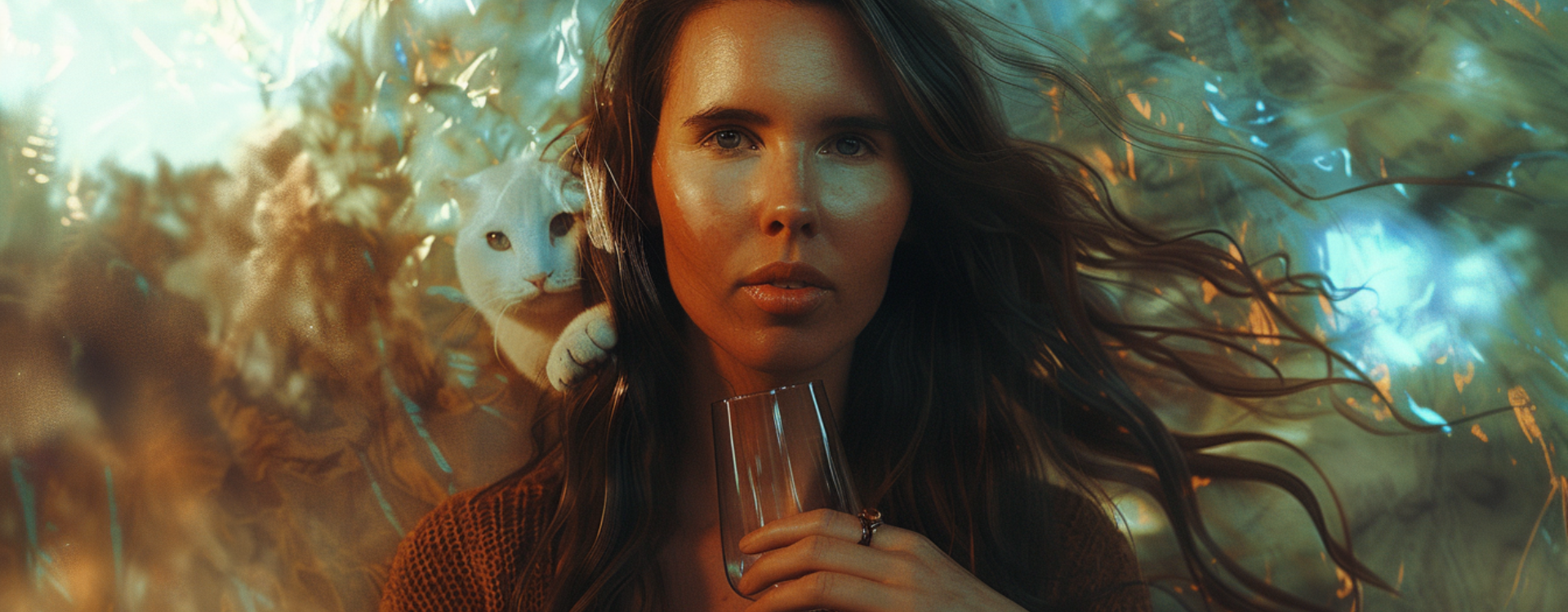
And then, as if on cue, a small image leapt into my mind. A white blur of fur, soft paws, wide amber eyes. Snowflake.
"I want to go home, Beatrix. Snowflake still needs me," I said, barely holding myself together. My voice was thinner now, soft with something tender and raw. The idea of her pacing the hallway, meowing at an empty bowl, waiting for the sound of my keys—it was too much.
Beatrix’s sigh was deep, weary. Her breath fogged the windscreen, misting the world outside with uncertainty. For a few moments, she said nothing, and I thought she might ignore me completely.
Then: "I’ll park the car at Mum and Dad’s, and we can walk to your place from there."
There was no ceremony in her words, but in that moment, they felt like a gift. My shoulders sagged slightly, as though the air had finally shifted—no longer pressing quite so heavily against me.
As she turned the car around, I stared out the window, the scenery blurring into smeared watercolours of grey and green. Gratitude sat uneasily alongside guilt. We were doing something foolish. Dangerous. But I couldn’t let Snowflake think I had abandoned her.
In a world spinning off its axis, she was one of the few things that still made sense.
